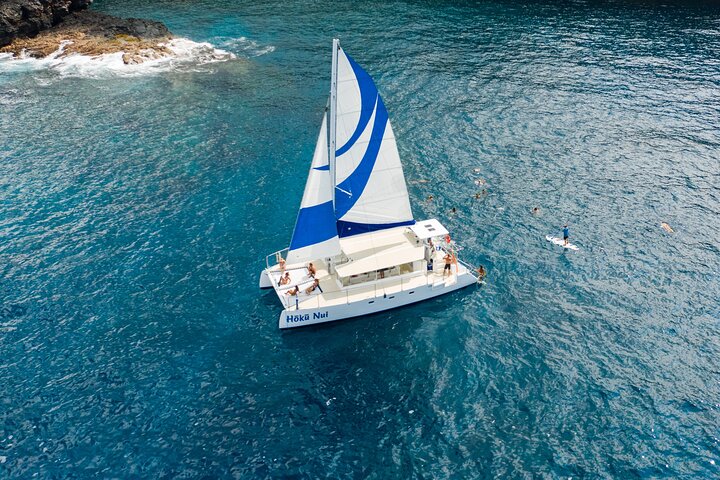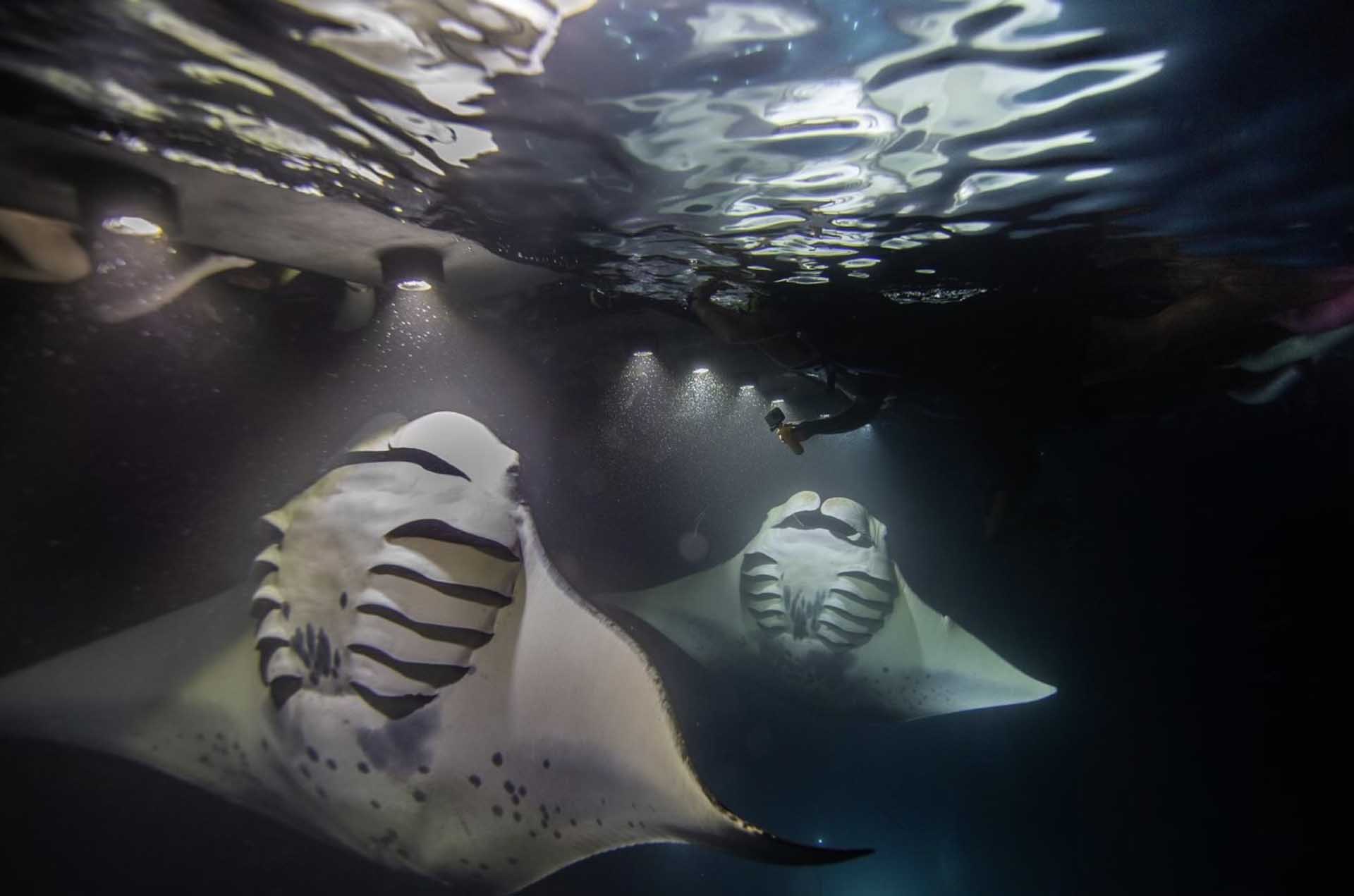

Our snorkel tour company is a leader in eco-tourism which supports the inhabitants of the ocean and their environment. Hawaii Wildlife Fund offers some good tips on respecting the wildlife and environment in Hawaii.
Responsible and Respectful Practices for Reef Users
- Take only photos, leave only bubbles – do not collect shells or organisms.
- Observe animals exhibiting their natural behaviors rather than stimulate them to entertain.
- Do not feed wildlife.
- Do not grasp coral, stand on it, or kick up sediments.
- Practice neutral buoyancy and train others to do so.
- Keep gauges, fins and other accessories from dragging on the bottom.
- Handle wildlife as little as possible, if at all.
- Do not harass protected species.
- Give sea turtles at least a 20-foot radius of approach.
- Give monk seals at least 100 foot radius of approach (law).
- Give dolphins at least 50 yard radius of approach.
- Give whales 100 yard radius of approach (law).
- Practice sustainable fishing techniques and obey size and catch limits.
Best Management Practices for Dive/Snorkel Sites
- Cooperate with other divers to reduce or rotate human numbers and vessels at dive sites.
- Communicate with other vessel operators to locate and share moorings.
- Voluntarily rotate sites that are becoming degraded, letting them “rest.”
- Support the establishment and usage of artificial reefs in appropriate locations to lessen the impact on existing natural sites.
- Obey the laws.
Pro-Active Conservation
- Participate in local conservation efforts (e.g., beach clean-ups and water conservation).
- Use best management practices on land and sea (e.g., reduce use of fertilizers, properly dispose of toxic wastes and recycle).
- Use mooring pins properly and assist the Coral Reef Network in maintenance through donating time, materials and funds.
- Participate in projects that assess the health of the reefs and support such efforts with donations of time, materials and funds.
- Get involved in local and state government processes such as public hearings and commenting opportunities on Draft Environmental Impact Statements for projects that may affect reefs.
- Use your citizen power to praise the government when they have done a good job in conservation and speak out when they do something not in line with marine conservation.
- Know the laws and rules designed to protect the environment and report illegal activities.
- Support establishments that show care and respect for the ocean’s inhabitants.