A lūʻau on the Big Island of Hawaiʻi is far more than a dinner show for visitors—it is a living expression of Hawaiian history, community, and cultural identity. Rooted in centuries-old traditions, the modern lūʻau reflects the spirit of aloha, celebrating hospitality, storytelling, and the deep connection between the Hawaiian people and their land.
Historically, Hawaiian feasts were called ʻahaʻaina, which means “gathering meal.” These celebrations marked important events such as victories in battle, harvests, births, or significant family milestones. Before the early 19th century, strict social rules known as the kapu system governed how men and women ate; for example, certain foods like pork, bananas, and coconuts were forbidden to women. In 1819, King Kamehameha II abolished the kapu system, and one of the first symbolic acts was a shared feast where men and women ate together. This moment represented a major cultural shift and helped give rise to what we now know as the lūʻau, named after the taro plant leaves often used in dishes served at the feast.
On the Big Island of Hawaiʻi, the lūʻau carries special significance because the island is closely tied to many foundational stories of Hawaiian culture. As the birthplace of King Kamehameha I and home to ancient temples (heiau) and historic fishing villages, the island preserves deep connections to traditional Hawaiian life. A lūʻau held here often reflects these roots through authentic practices such as the imu, an underground oven used to slow-cook food. In the imu, dishes like kālua pig are wrapped and buried with hot stones, producing a smoky flavor that has become one of the most iconic tastes of Hawaiian cuisine.
Food served at a lūʻau also carries cultural meaning. Staples like poi (pounded taro root), lomi lomi salmon, haupia (coconut dessert), and poke represent the blending of ancient Polynesian ingredients with influences brought by immigrants from Asia and elsewhere. Each dish tells part of the story of Hawaiʻi’s multicultural history and the way different communities have contributed to local traditions.
Equally important is the music and dance that accompany the feast. Performances of hula are central to the lūʻau experience. While many visitors associate hula with graceful movements and colorful costumes, the dance is actually a powerful storytelling tradition. Through chants, gestures, and rhythm, hula communicates legends, historical events, and relationships with the natural world. On the Big Island, some lūʻau performances highlight stories connected to local volcanoes, especially those associated with Pele, the Hawaiian goddess of fire and volcanoes.
The communal nature of the lūʻau is also key to its cultural importance. Traditionally, Hawaiian gatherings emphasized cooperation and sharing. Preparing the imu, arranging the feast, and performing mugresic or dance required the participation of the entire community. Even today, lūʻau events emphasize welcoming guests as part of the extended ʻohana (family), reinforcing the Hawaiian value of caring for others and celebrating together.
For visitors to the Big Island, attending a lūʻau offers more than entertainment—it provides an introduction to Hawaiian traditions and a deeper appreciation of the islands’ cultural heritage. When presented respectfully, these events help preserve traditional knowledge, support local performers and artisans, and keep ancient practices alive in the modern world.
In this way, the lūʻau on the Big Island stands as both a celebration and a cultural bridge, connecting past and present while sharing the spirit of Hawaiʻi with people from around the world.
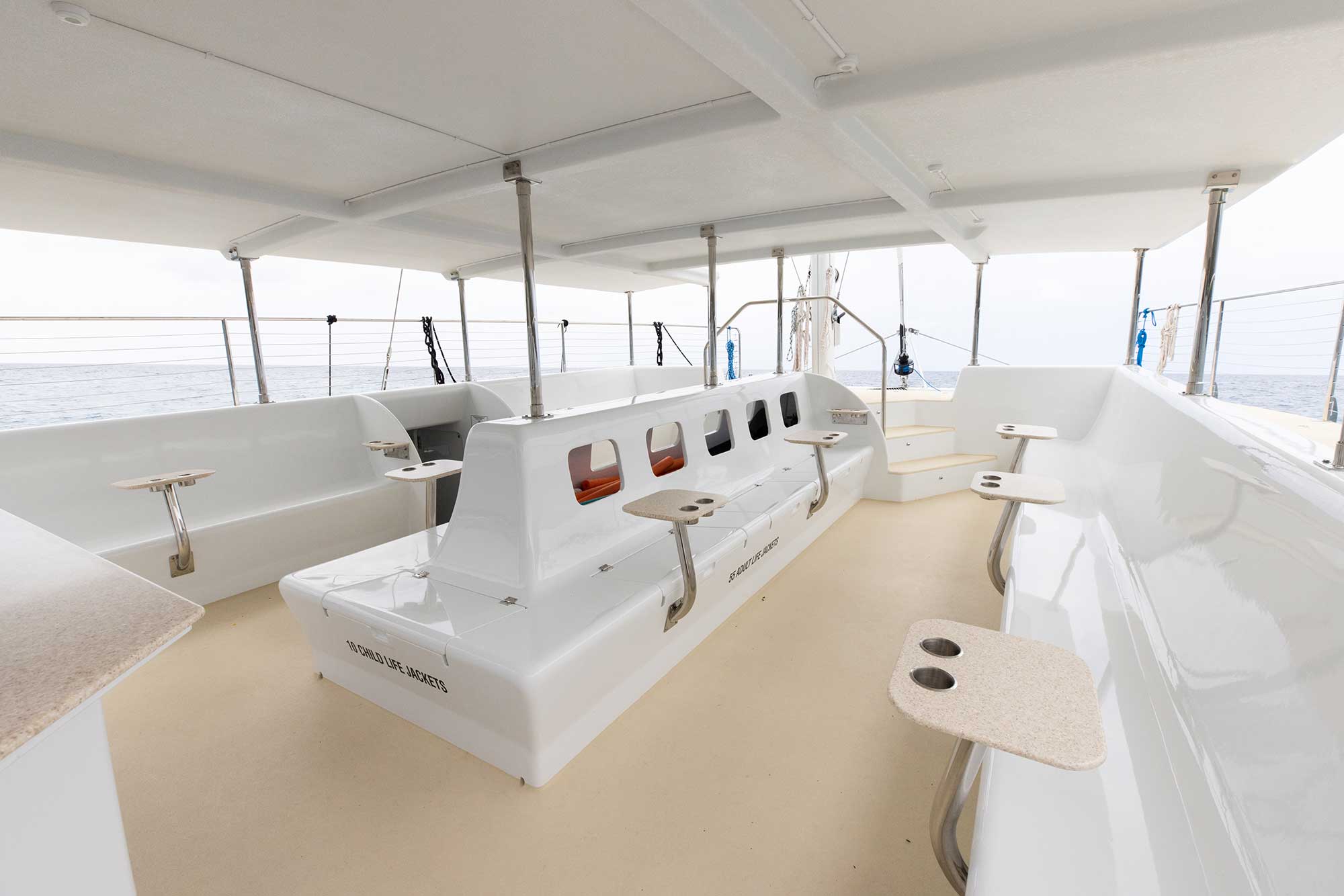
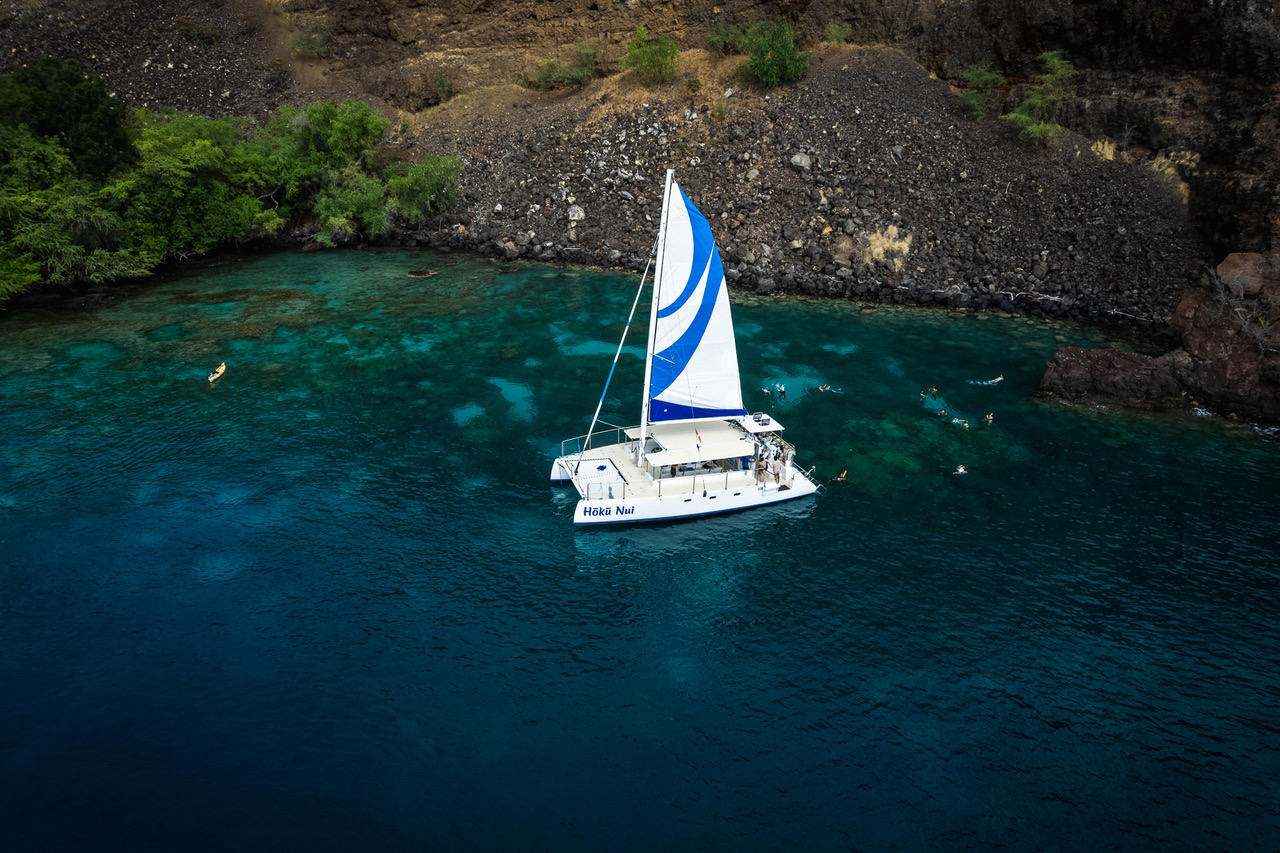
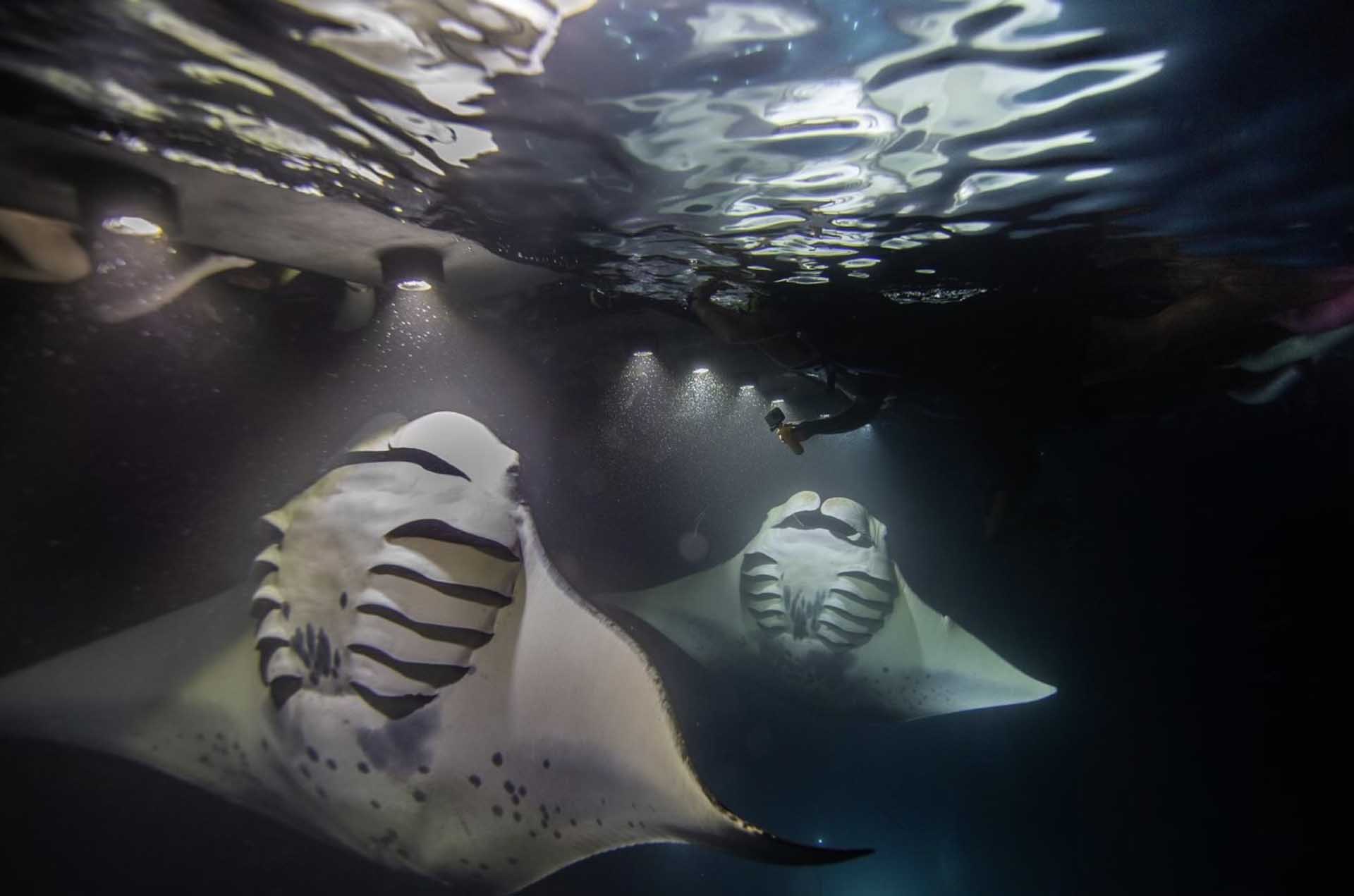
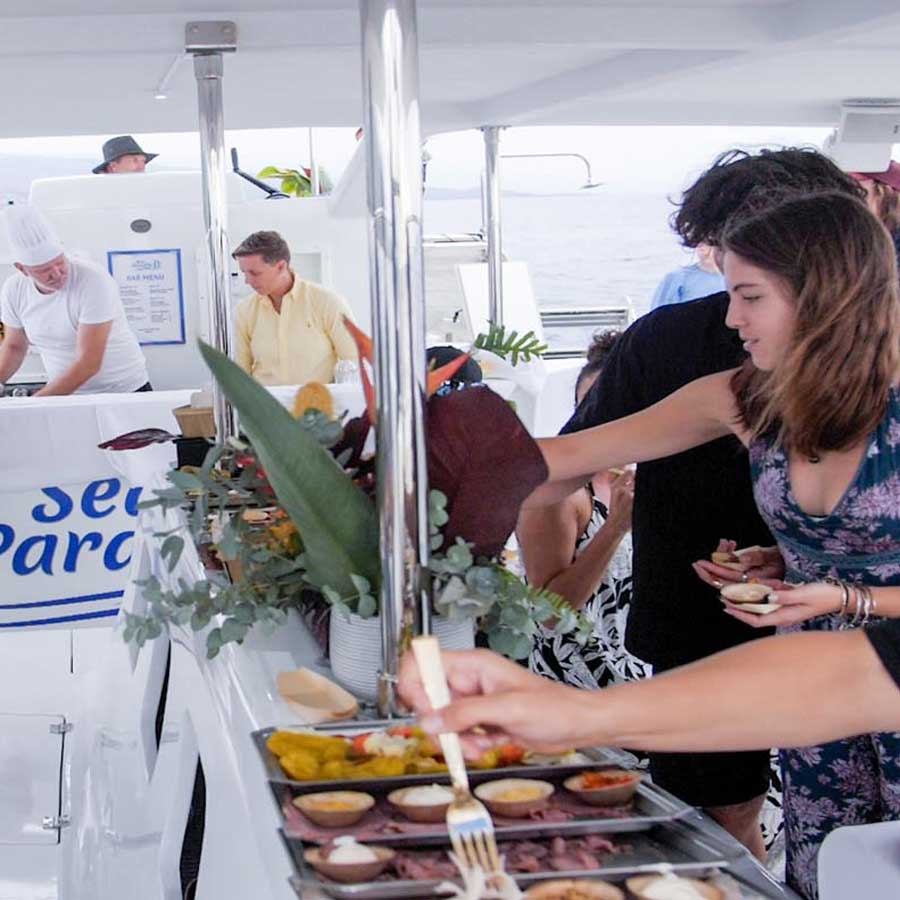
Join Sea Paradise for a snorkel or manta ray tour on their spacious and luxurious 50 foot catamaran, the Hoku Nui, to hear cultural stories from their knowledgeable crew!