
If you’ve never seen a 40-ton whale launch itself out of the ocean, twist midair, and crash back down in a thunderous splash… Hawaii is about to ruin you for every other wildlife experience.
Every winter, humpback whales migrate آلاف miles from the cold, food-rich waters of Alaska to the warm, protected channels of Hawaii. They’re not here to eat — they’re here to mate, give birth, and nurse their calves. And lucky for us, that means front-row seats to one of nature’s most spectacular shows.
When Is Whale Season in Hawaii?
Whale season typically runs from December through April, with peak activity between January and March. During these months, thousands of North Pacific humpback whales gather around the islands, especially Maui, which is often called the whale-watching capital of Hawaii. The shallow Auʻau Channel between Maui, Lanai, and Molokai becomes a nursery for mothers and newborn calves.
But you can spot whales from many islands — Oahu, Kauai, and the Big Island all offer sightings both from shore and by boat.
Why Do Whales Come to Hawaii?
Hawaii’s warm waters provide a safe haven for baby whales. There are fewer predators, calmer seas, and ideal temperatures for newborn calves who haven’t yet built-up insulating blubber. While here, mothers teach their babies essential survival skills — swimming, diving, and even breaching.
Adult males compete for attention with dramatic surface displays. Tail slaps. Pectoral fin waves. Full-body breaches. It’s not subtle — and that’s exactly what makes whale watching here so thrilling.
What Makes Humpbacks So Special?
Humpback whales are known for their haunting songs — complex vocalizations that can last up to 20 minutes and travel miles underwater. Scientists believe these songs play a role in mating, and what’s fascinating is that males in the same region sing nearly identical versions that slowly evolve over time.
Each whale also has a unique tail pattern, like a fingerprint. Researchers photograph the underside of their flukes to track individuals year after year.
Best Ways to See Whales
You don’t necessarily need a boat to see whales in Hawaii. During peak season, you can often spot spouts and breaches from scenic lookouts and beaches.
That said, a guided whale-watching tour dramatically increases your chances of close (but respectful) encounters. Licensed tour operators follow strict federal guidelines that protect whales from disturbance. Boats must keep a safe distance, giving whales space to behave naturally.
Pro tip: Go in the morning when the ocean is typically calmer.
A Moment You’ll Never Forget
There’s something grounding about locking eyes with a creature that has crossed an ocean just to be here. Whale watching in Hawaii isn’t just a checklist activity — it’s an emotional experience. The power, the grace, the sheer scale of these animals has a way of shifting your perspective.
For a few magical months each year, Hawaii becomes more than just a tropical paradise. It becomes a sanctuary — for whales, and for anyone lucky enough to witness them.
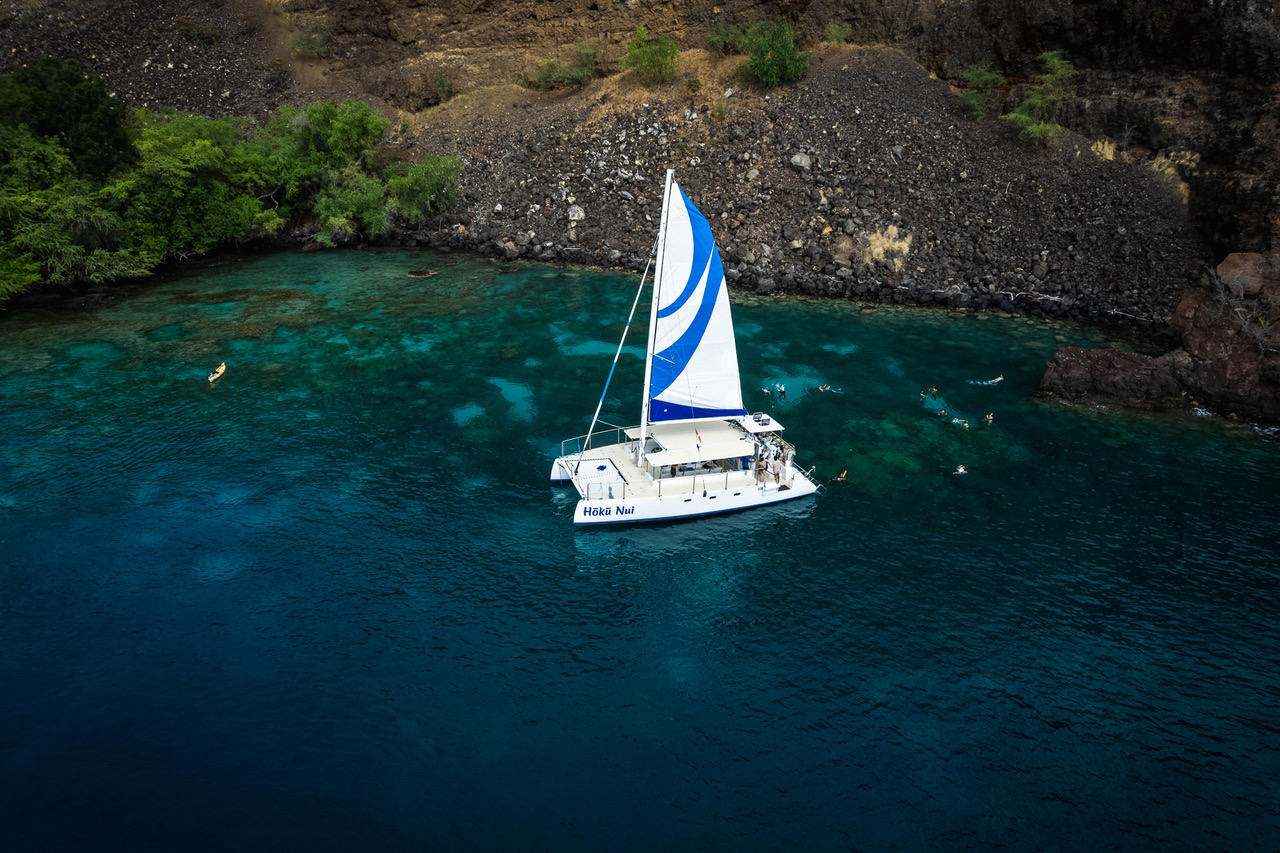
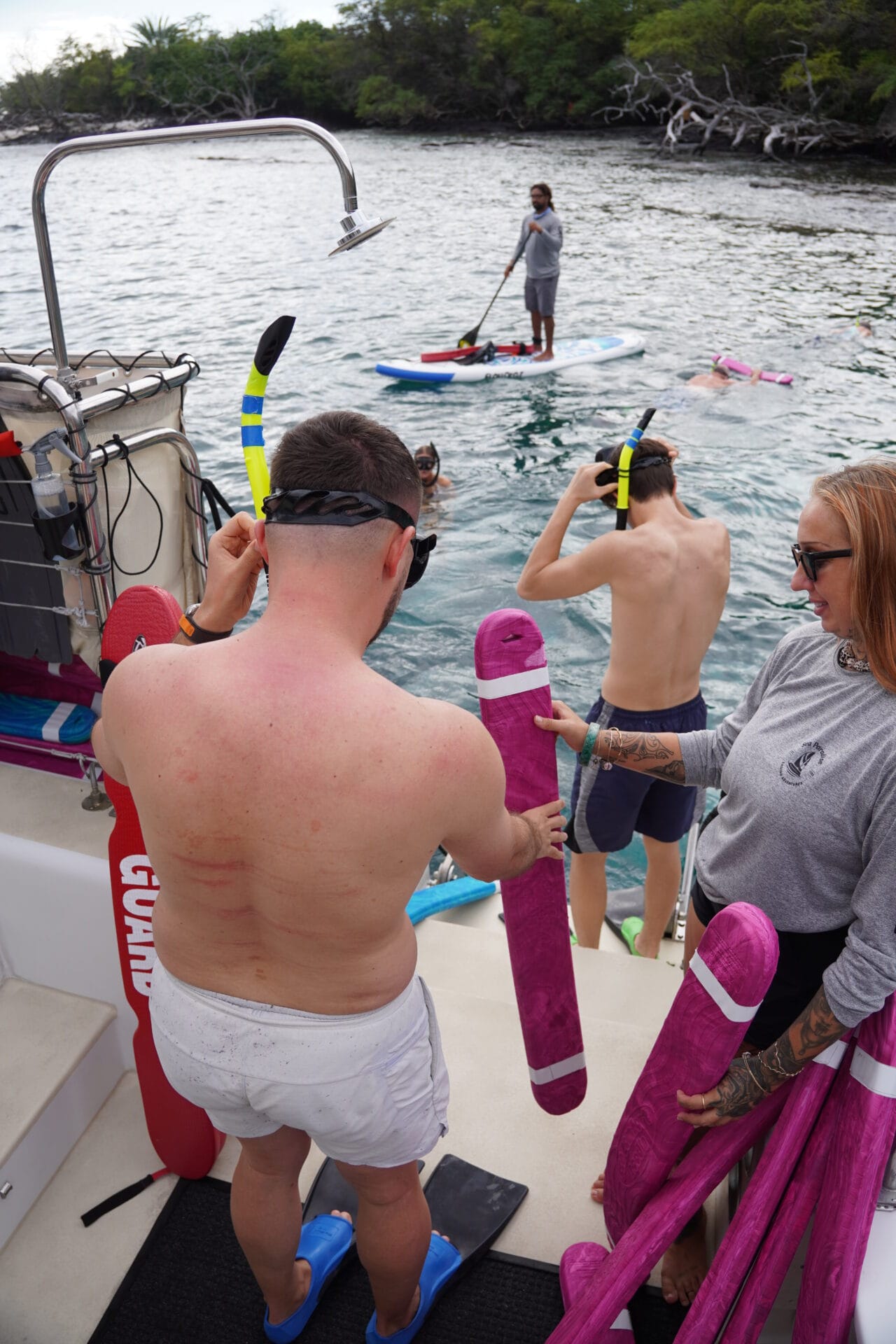
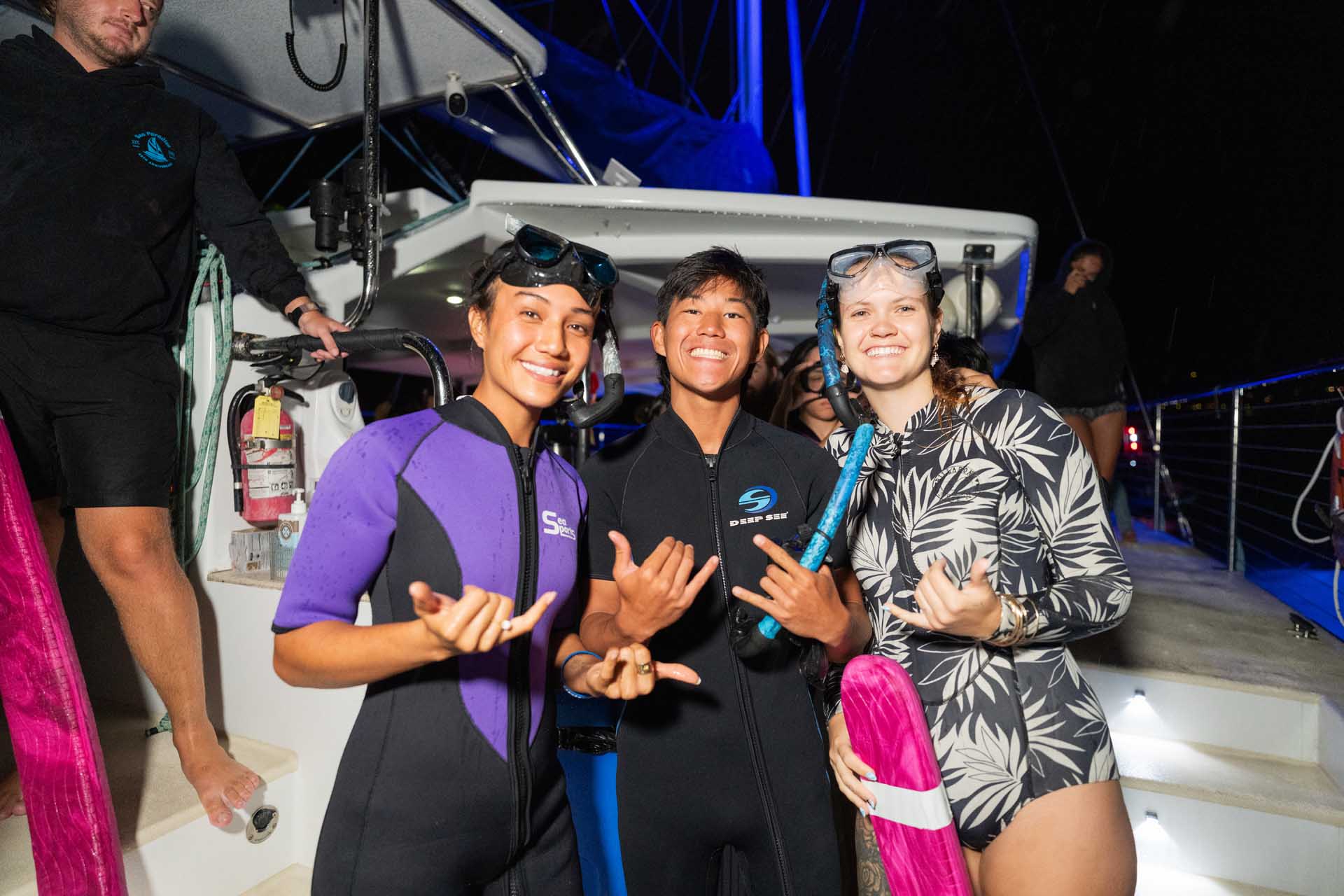
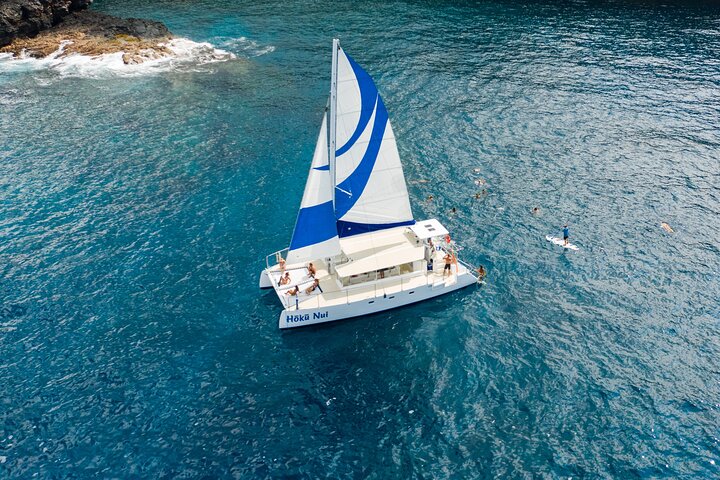
And once you’ve seen a humpback breach against a Hawaiian sunset, trust me — it stays with you. Don’t be surprised if you see a whale on a Sea Paradise snorkel or manta ray tour.