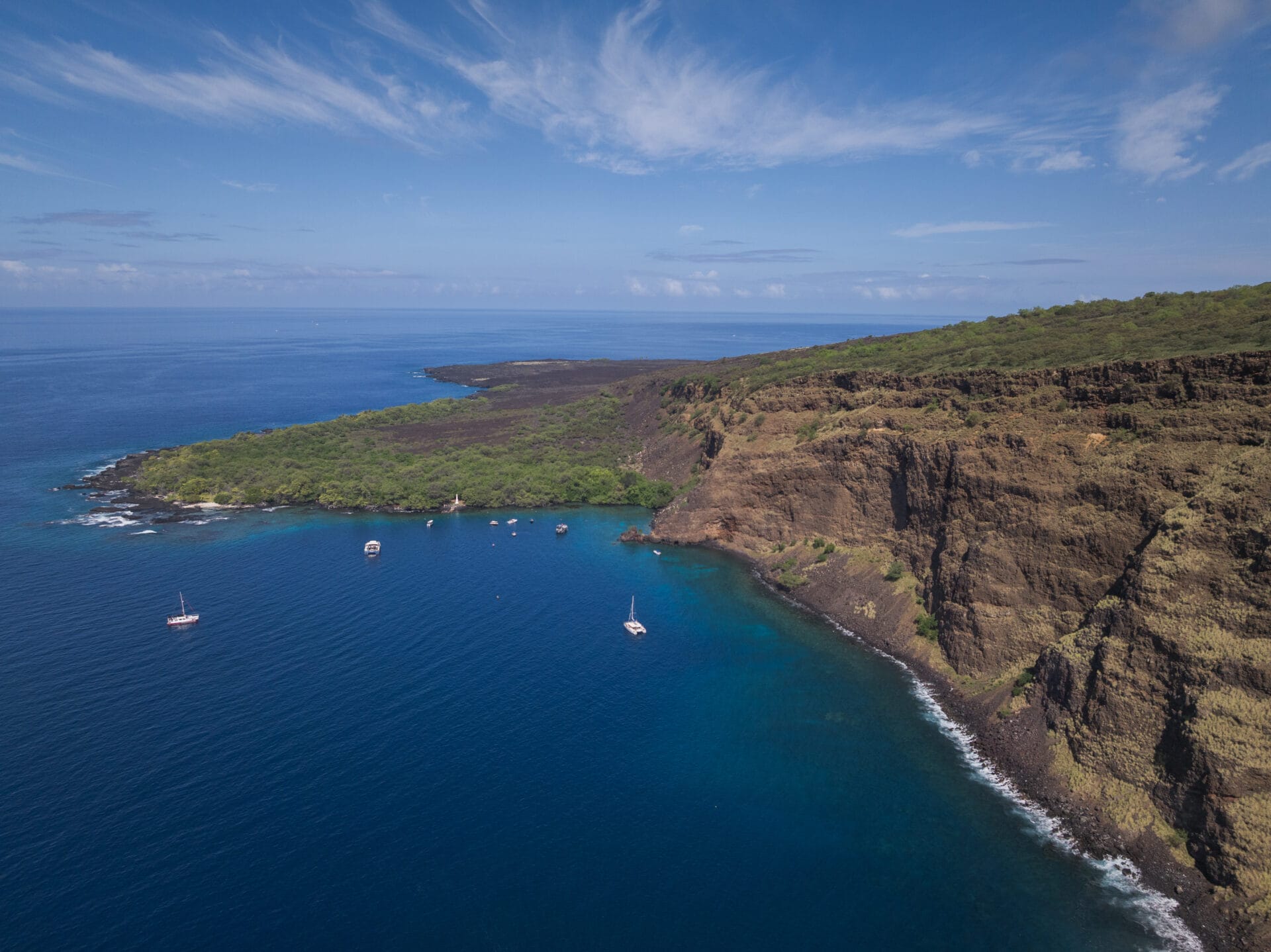
In the 1700s, the Island of Hawaiʻi (the Big Island) was the political and cultural center of the Hawaiian Islands. It was a time before Western influence had dramatically changed Hawaiian society, and life was deeply connected to the land, the ocean, and traditional Hawaiian beliefs.
The island was divided into several districts ruled by powerful chiefs known as aliʻi. Society was highly organized, with strict social classes and a system of laws called kapu. These sacred rules governed many aspects of daily life, including fishing, farming, religious practices, and interactions between different social groups. Breaking a kapu could result in severe punishment.
Most people lived in small coastal villages. They grew crops such as taro, sweet potatoes, breadfruit, bananas, and coconuts, while also fishing in the rich waters surrounding the island. Inland areas were used for farming and gathering resources. Hawaiians were skilled navigators, fishermen, and craftsmen, building canoes, creating tools from stone and bone, and constructing fishponds that provided a reliable food supply.
Religion played a central role in everyday life. Hawaiians worshipped many gods and goddesses associated with nature, agriculture, war, and the sea. Temples called heiau were built throughout the island, including some large stone structures that still exist today. Priests conducted ceremonies and offerings to ensure good harvests, successful voyages, and victory in battle.
The late 1700s were especially significant because they marked the rise of Kamehameha, a chief from the Kohala district. Through a series of battles and alliances, he began his campaign to unite the Hawaiian Islands under a single ruler. The Big Island became the base of his growing power.
By the end of the century, Hawaiʻi was also beginning to encounter the outside world. In 1778, Captain James Cook became the first recorded European to reach the Hawaiian Islands, ushering in a period of profound change. The Big Island of the 1700s was therefore both a stronghold of traditional Hawaiian culture and the starting point of a new era in Hawaiian history.
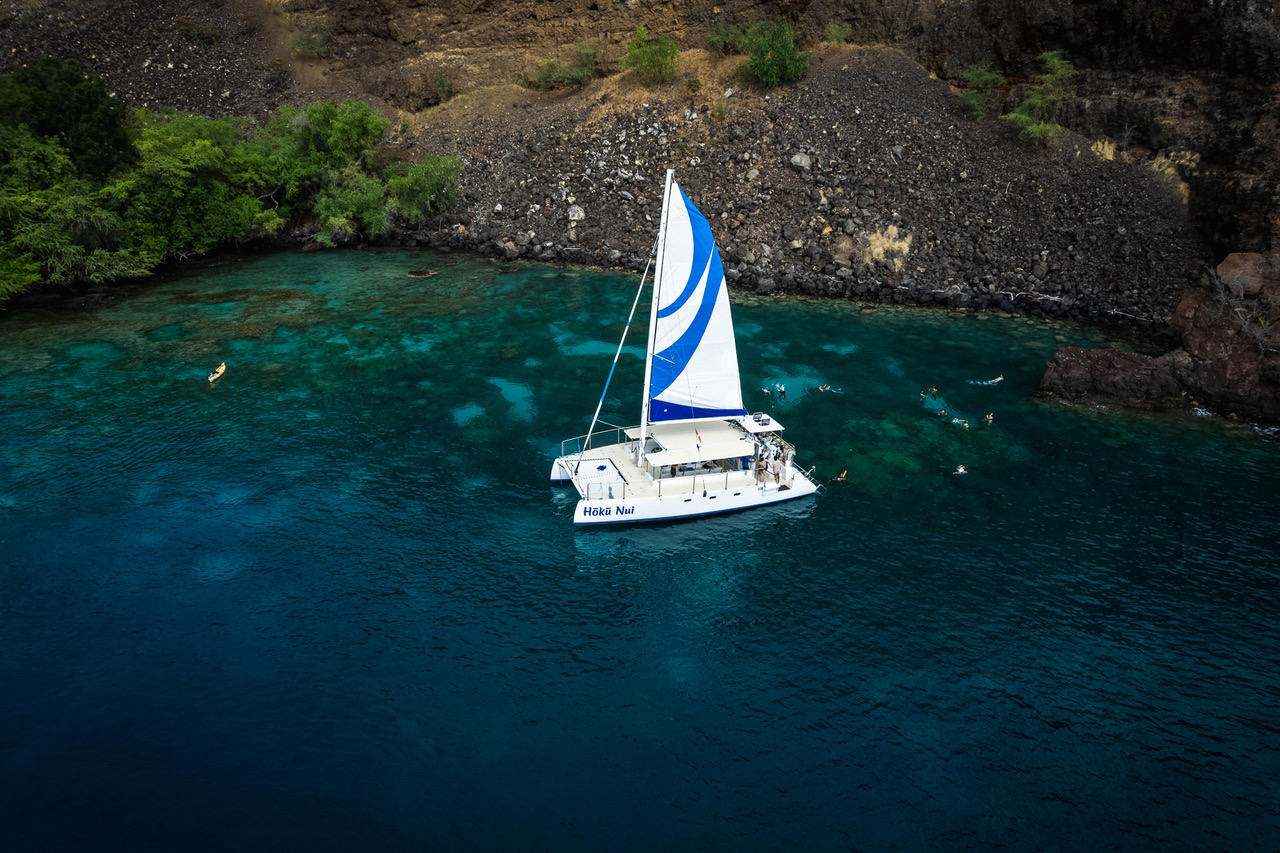
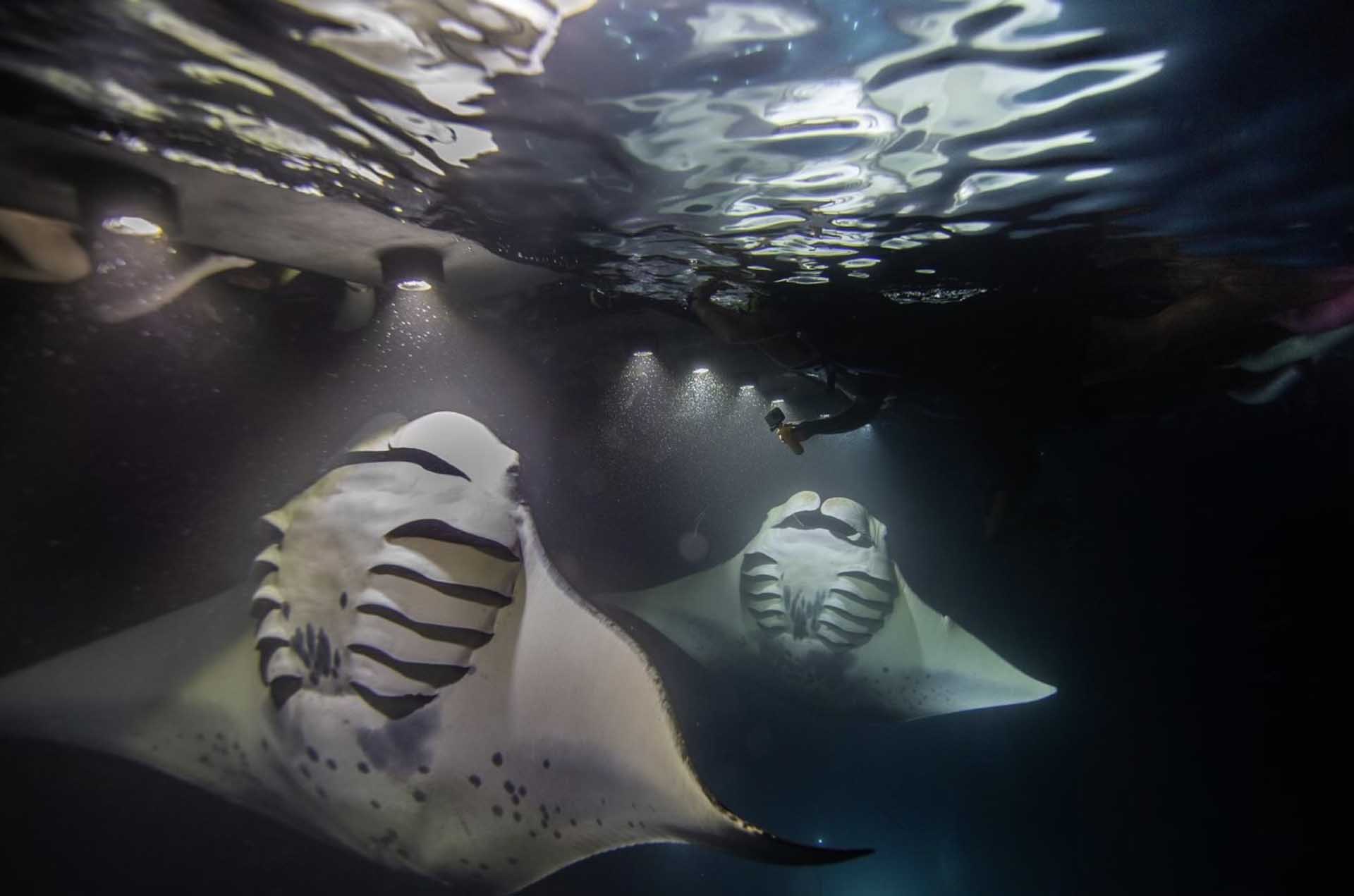
Join Sea Paradise’s excellent snorkel or manta ray tours and learn more of the history of the local area from their excellent crew!