There are a lot of snorkel tours in Kona, and the differences between them are larger than the booking pages suggest. Four things decide whether a Kona snorkel tour is memorable or forgettable: where it goes, what it goes on, who is briefing you, and how seriously the operator takes the reef.
Sea Paradise has run this coast since 1985. Here is what we would tell a friend to ask before booking anything, including tours that are not ours.
Why Does the Snorkel Site Matter More Than Anything Else?
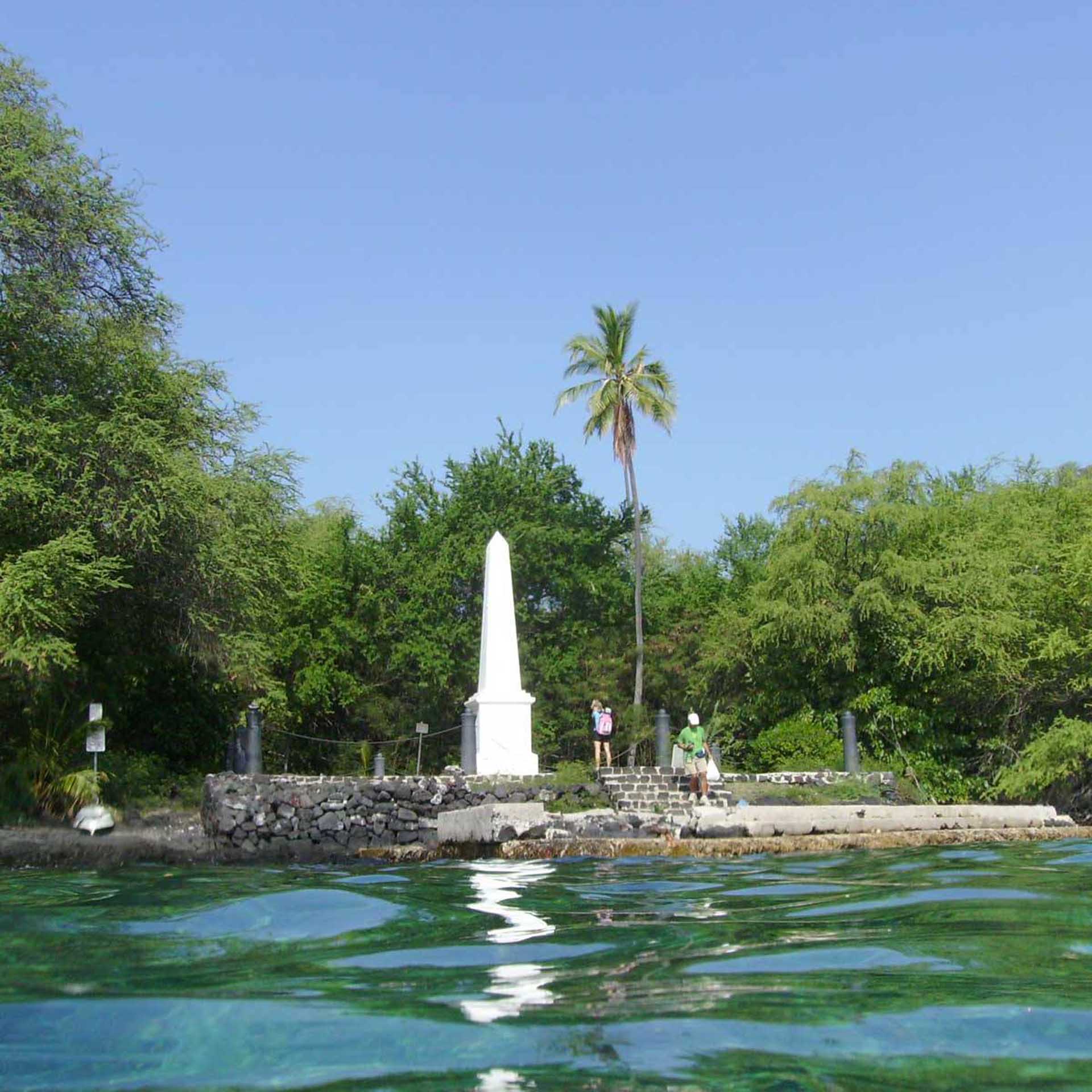
Where a tour goes matters more than any other single factor. The World Famous Captain Cook Monument at Kealakekua Bay sits inside a 315-acre Marine Life Conservation District that has been protected since 1969 — no fishing, no collecting. Five decades of that protection produce marine life density and coral health that general-access sites simply cannot match, and visibility that commonly runs 60 to 80 feet on a clear morning.
Not every snorkel tour in Kona goes there. Before booking, ask specifically which site the vessel visits and what the conservation status of that site is. The answer tells you most of what you need to know about the day you are buying, and it is a question any honest operator will answer directly.
Red Hill, the volcanic headland south of the bay, is the other site worth asking about. Its lava arches and tubes sit at snorkeling depth and are reachable by boat only. Few Kona tours include it, and it is not available on every departure even when they do.
How Much Does the Vessel Change the Experience?
A short run on a rigid inflatable feels nothing like a half day on a 50-foot catamaran. Inflatables are fast and maneuverable, but they are wet, loud, and uncomfortable over any real distance. Catamarans solve the problem that ruins most people’s day on the water: the twin-hull design dramatically reduces the rolling motion that causes seasickness.
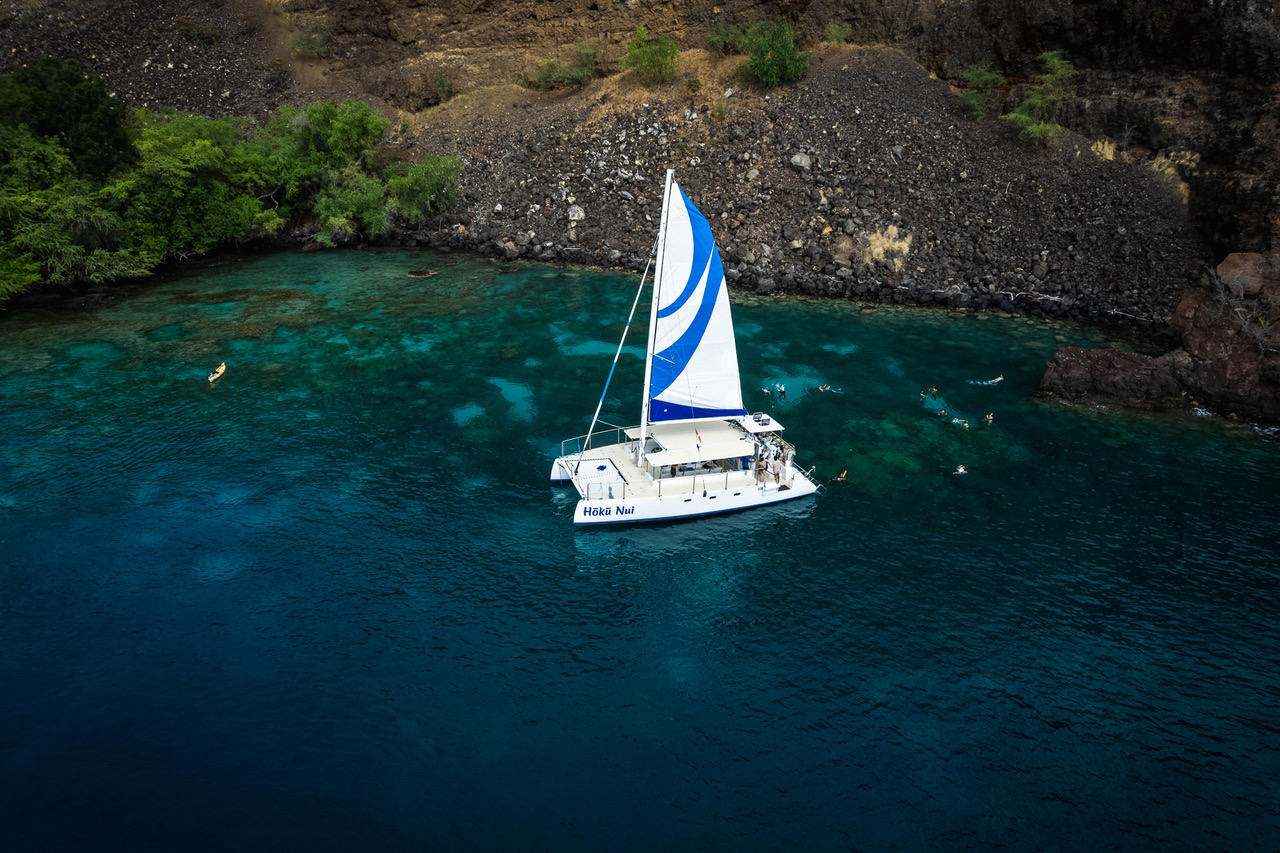
The practical questions are shade, restrooms, fresh water, and space. The Hoku Nui is spaciously designed for 49 guests, with shaded seating, two oversized restrooms and changing rooms, a full galley, bar service, two freshwater showers, and two wide staircases with handrails for easier water entry. On a four-and-a-half-hour tour, those are not luxuries — they determine whether the hours between snorkel stops are pleasant or endured.
For families with young children, or anyone sensitive to motion, vessel choice is the difference between a good memory and a rough morning. Ask how long the tour runs and then ask what is aboard for that length of time.
Why Is the Marine Naturalist Briefing Worth Asking About?
A real briefing changes what guests actually see underwater. When you know which species to look for, where on the reef they tend to be, and how to move without disturbing anything, the same 45 minutes in the water produces a substantially richer experience.
There is a meaningful difference between a marine naturalist leading a reef and culture briefing and a crew member running through a safety checklist. Ask which one you are getting. On Sea Paradise departures the naturalist covers Hawaiian reef ecology, the cultural significance of the World Famous Captain Cook Monument at Kealakekua Bay, and responsible snorkeling practice on the sail out, before anyone is in the water.
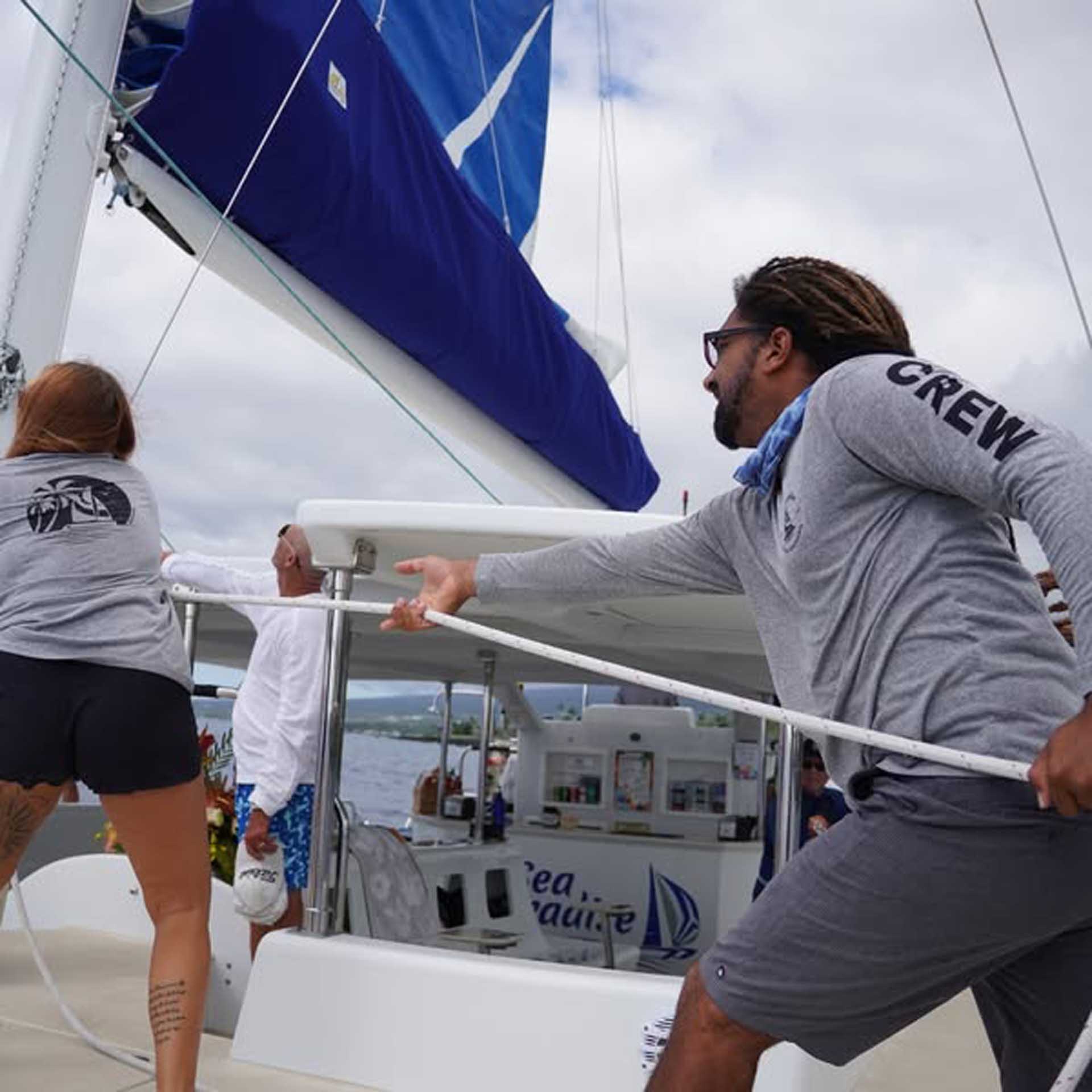
The other thing worth confirming is who is actually running the boat. Sea Paradise captains are USCG licensed and several worked up from deckhand on this coast before reaching the helm, which is the kind of local knowledge that decides whether Red Hill is a good idea on any given morning. http://seaparadise.com/about/
Does Eco-Certification Actually Mean Anything?
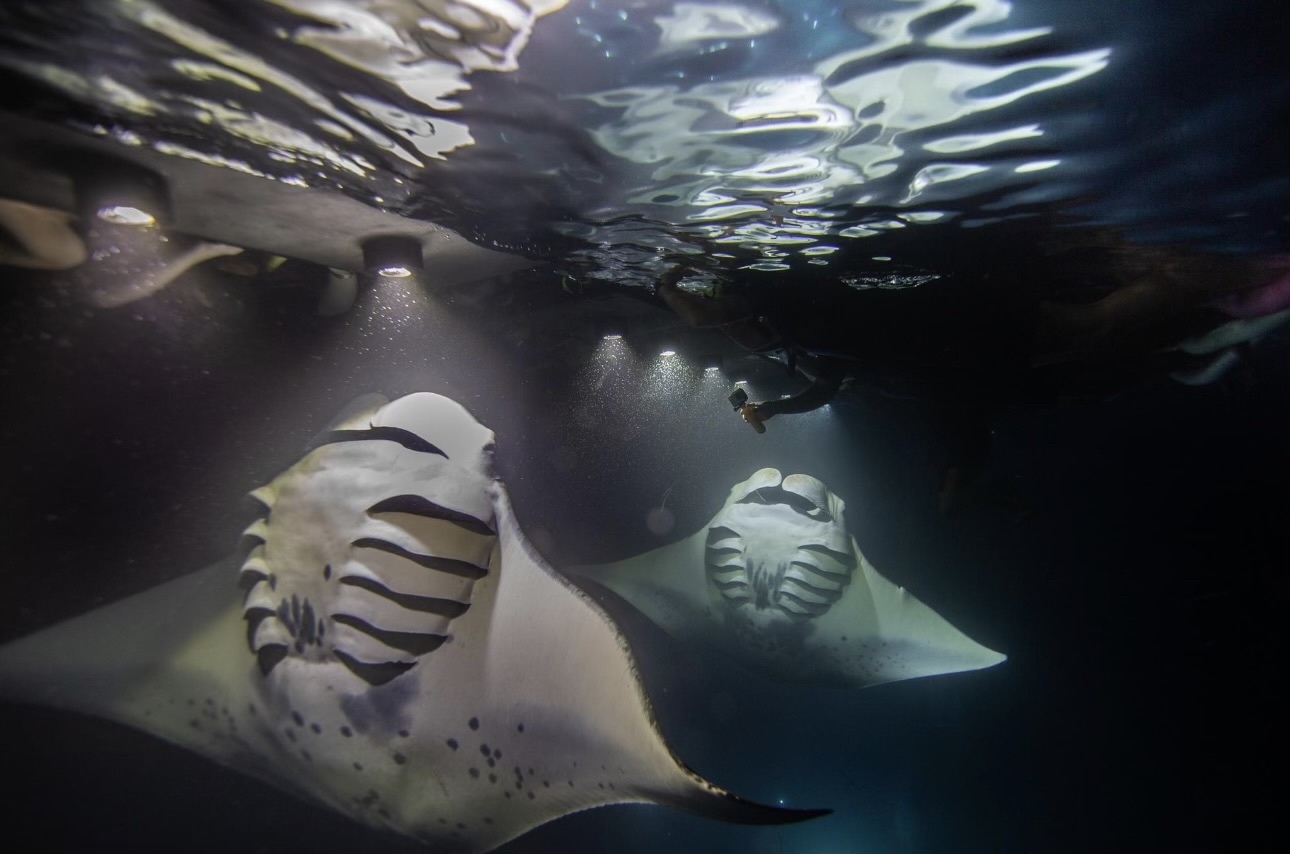
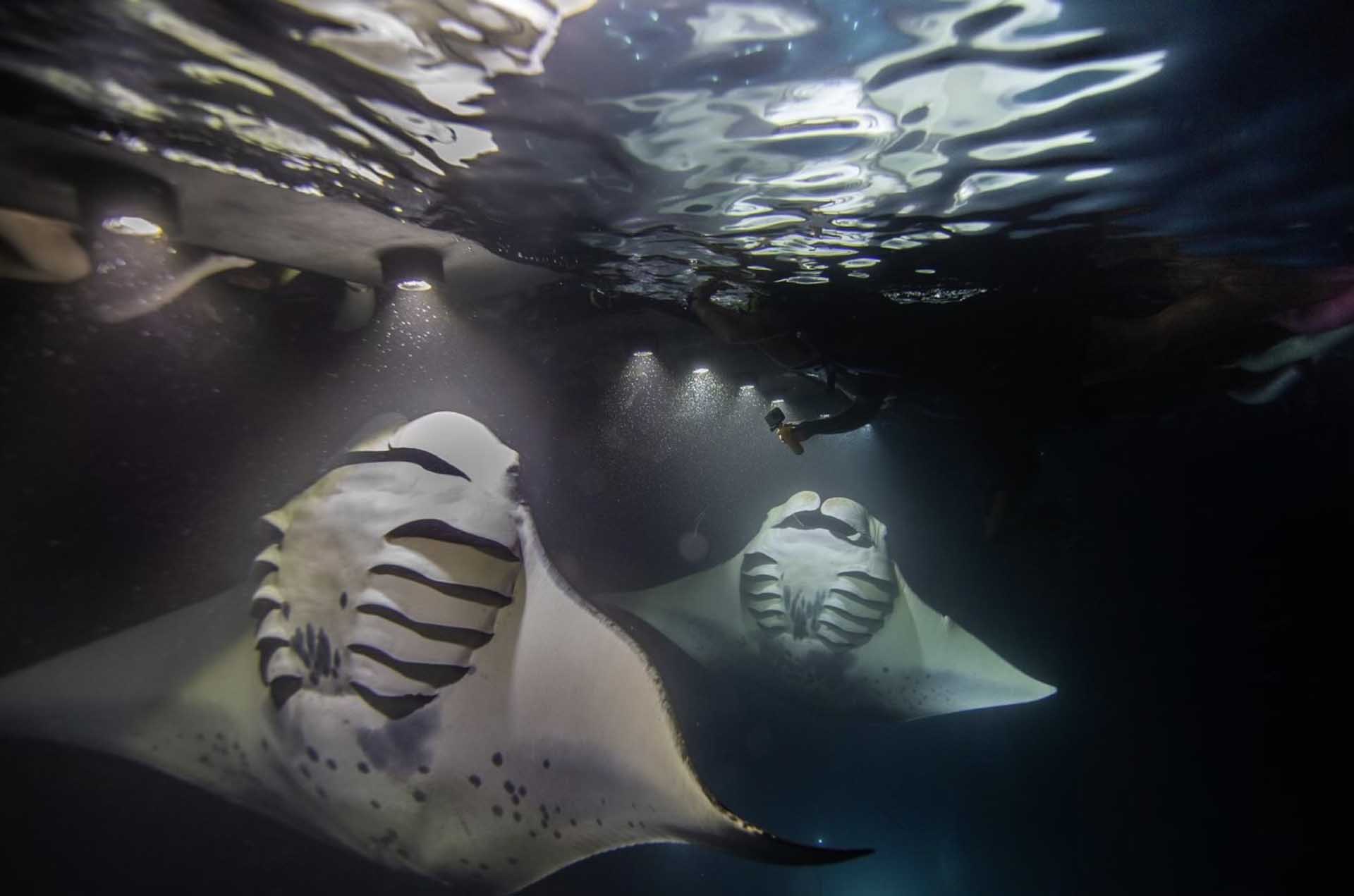
At a protected site, yes. Operators working inside a Marine Life Conservation District are working in a place whose quality depends entirely on how carefully it is treated. Hawaii Ecotourism Association certification, NOAA wildlife guidelines, Dolphin SMART participation, the Coral Reef Alliance’s West Hawaii Voluntary Standards for Marine Tourism, and research partnerships with organizations like the Manta Pacific Research Foundation are the operational commitments that keep a site worth visiting.
Reef-safe mineral sunscreen is a simple test. Ask whether it is required and whether it is provided onboard. Many sunscreens marketed as reef safe still contain oxybenzone or octinoxate.
One more practical note on wildlife claims: on a Kona snorkel tour you may see humpback whales between December and April and spinner dolphins year-round, but both are viewed from the boat at a respectful distance under NOAA guidelines. No reputable Kona operator will put you in the water with them, and any tour advertising otherwise is a reason to keep looking.
What is the best snorkel tour in Kona for beginners?
Tours to Kealakekua Bay Marine Life Conservation District are the strongest option for newer snorkelers — calm, protected water, shallow reef, and 60 to 80 feet of visibility on clear mornings. Sea Paradise morning and afternoon tours both visit the World Famous Captain Cook Monument at Kealakekua Bay and include a marine naturalist briefing. All snorkeling guests must be confident swimmers.
Do all Kona snorkel tours go to Kealakekua Bay?
No. Kealakekua Bay is a protected Marine Life Conservation District and not every Kona snorkel tour visits it. Sea Paradise has operated at the bay since 1985. Ask any operator directly which site their vessel visits before booking, because the site determines most of what you may encounter. http://seaparadise.com/kealakekua-bay/
How many people are on a typical Kona snorkel tour?
This varies widely by operator. The Hoku Nui is spaciously designed for 49 guests, which means more deck space and less crowding at the water entry points. Smaller operators run fewer guests on smaller vessels, and some larger operations fill to capacity. Ask for the guest count before booking. http://seaparadise.com/the-hoku-nui/
Is a catamaran better than a rigid inflatable for snorkeling in Kona?
For anything longer than a short run, generally yes. A twin-hull catamaran dramatically reduces the rolling motion that causes seasickness and provides shade, restrooms, fresh water, and deck space. Rigid inflatables are fast and maneuverable but wet, loud, and uncomfortable over a four-hour tour.
What questions should I ask before booking a Kona snorkel tour?
Which specific site does the vessel visit and what is its conservation status. How many guests are aboard and what is the vessel. Does a trained marine naturalist lead the reef briefing. Is reef-safe sunscreen required and provided. What is included in the way of gear and food. And what happens if conditions cancel the second site.
What is a Marine Life Conservation District?
A state designation that protects a defined marine area from fishing and collecting. Kealakekua Bay has been a 315-acre Marine Life Conservation District since 1969. More than fifty years of that protection produces coral health, fish density, and water clarity that unprotected, general-access sites cannot match.
Does a marine naturalist briefing actually make a difference?
Yes, and measurably. Guests who know which species to look for, where on the reef to find them, and how to move without disturbing marine life see considerably more in the same amount of water time. A naturalist briefing is a different thing from a standard safety rundown, and it is worth confirming which one an operator provides.
Should I book a morning or afternoon snorkel tour in Kona?
Morning generally offers calmer water and clearer visibility before the trade winds build, which suits newer snorkelers and families, and Sea Paradise morning tours add Red Hill as a second site when conditions permit. Afternoon offers a shorter time commitment and the best sailing of the day on the return.
Can guests enter the water with dolphins on a Kona snorkel tour?
No. Spinner dolphins, humpback whales, and Hawaiian green sea turtles are viewed from the vessel at a respectful distance under NOAA guidelines and the Dolphin SMART program. What guests encounter in the water on a snorkel tour is reef fish and coral. Any Kona tour advertising in-water dolphin or whale encounters is not following the guidelines.
What is reef-safe sunscreen and is it required in Hawaii?
Reef-safe mineral sunscreen is required on all Sea Paradise tours and provided onboard. Many products marketed as reef safe still contain harmful ingredients — check that yours is free of oxybenzone, octinoxate, octisalate, avobenzone, octocrylene, homosalate, and nanoparticles before you buy it.
What is the best time of year to snorkel in Kona, Hawaii?
Year-round. The Kona Coast sits on the lee side of the Big Island, sheltered from most Pacific swell by Mauna Kea and Mauna Loa, and water temperatures run roughly 75 to 80 degrees Fahrenheit through the year. Morning conditions are generally calmer than afternoon in every season. Humpback whales pass between December and April.
Do I need to be a strong swimmer to snorkel in Kona?
All snorkeling guests on Sea Paradise tours must be confident swimmers, and non-swimmers may not enter the water. Children must be able to swim independently, follow crew directions in open ocean, and wear the provided life jackets. Flotation devices are provided for guests who want additional support, and the crew does not teach swimming onboard.
Book your tour today! http://seaparadise.com/afternoon-snorkel-tour/ http://seaparadise.com/afternoon-snorkel-tour/