Kealakekua Bay — Snorkel, History & Sailing Guide
Kealakekua Bay is a 315-acre protected Marine Life Conservation District on the south Kona Coast of Hawaii’s Big Island, located approximately 12 miles south of Kailua-Kona. Named “Pathway of the Gods” in Hawaiian, the bay is both one of the finest snorkeling destinations in the Hawaiian Islands and one of the most historically significant sites in all of Hawaii — the location of the first sustained European contact with the Hawaiian people, and the site where British explorer Captain James Cook died on February 14, 1779. Sea Paradise Hawaii has sailed guests to Kealakekua Bay daily since 1985.
Quick Details — Kealakekua Bay
Quick Details
Snorkeling at the World Famous Captain Cook Monument at Kealakekua Bay
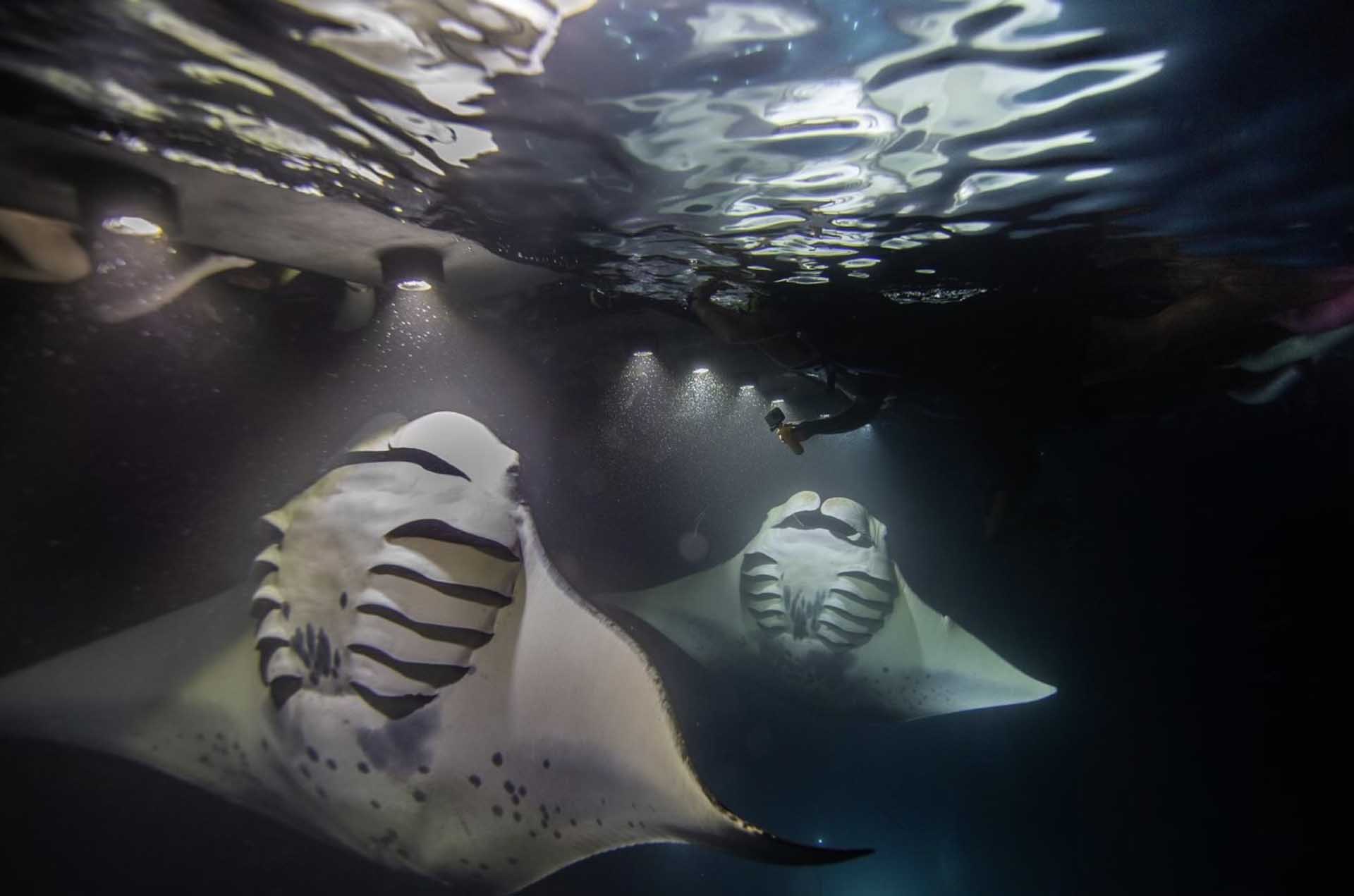
Kealakekua Bay’s designation as a Marine Life Conservation District since 1969 has allowed its reef ecosystem to thrive with minimal disturbance. The result is some of the richest and clearest snorkeling water on the Big Island — visibility routinely exceeds 60–80 feet, and the coral gardens support an extraordinary density and diversity of species.
IN THE WATER WHILE SNORKELING
- Tropical Reef Fish – Parrotfish, yellow tang, Moorish idols,
butterflyfish and humuhumunukunukuapuaa, Hawaii’s state fish. - Coral Gardens – Healthy formations beginning in just a few feet
of water and extending outward through varied depths. - Octopus and Moray Eels – May be found sheltering within lava
tube formations. - Whitetip Reef Sharks – May be seen resting beneath lava ledges.
Non-aggressive and generally uninterested in snorkelers.
- Tropical Reef Fish – Parrotfish, yellow tang, Moorish idols,
FROM THE DECK OF THE HOKU NUI
- Hawaiian Green Sea Turtles (Honu) – May be spotted along the
coastline and in the shallows. - Spinner Dolphins – May be seen in the bay year-round.
- Spotted Eagle Rays – May be spotted gliding along the sandy bottom.
- Humpback Whales – May be seen on the sail between December and April during their winter season.
- Hawaiian Green Sea Turtles (Honu) – May be spotted along the
These are wild animals in open ocean. Sightings are never guaranteed,
and turtles, dolphins and whales are viewed from the vessel at a
respectful distance rather than in the water.
The coral shelf at Kealakekua Bay begins in just a few feet of water
along the shoreline near the World Famous Captain Cook Monument at
Kealakekua Bay, making it accessible to snorkelers of varying
experience levels.
How to Reach the World Famous Captain Cook Monument at Kealakekua Bay
The snorkel area at the World Famous Captain Cook Monument at Kealakekua Bay is not accessible by car. The shoreline at the monument sits at the base of steep volcanic cliffs with no direct road access. Visitors generally have three options:
- Boat Tour (Recommended)
The fastest, safest, and most comfortable way to reach the bay. Sea Paradise departs daily from Keauhou Bay pier, approximately 5 miles north. The sail takes roughly 45 minutes each way and includes food, drinks, a marine naturalist briefing, all snorkel gear, and a scenic return sail. No hiking or kayak experience required. - Guided Kayak Tour
Kayak tours operate from Napo’opo’o Beach. Open-water kayaking can be physically demanding, and the paddle typically takes 45–60 minutes each way under calm conditions. Not recommended during high surf or strong winds. Rentals and guided tours may be seasonal. - Hike
The Captain Cook Monument Trail descends from Highway 11 near Napo’opo’o Road (look for the three royal palm trees). The trail is approximately 2.5 hours each way, steeply graded, with limited shade and no facilities. Hikers should carry adequate water, sun protection, and gear for both the descent and return climb.
Kealakekua Bay FAQ
Kealakekua translates from Hawaiian as “Pathway of the Gods.” The name reflects the bay’s spiritual and cultural significance to the Hawaiian people. The north shore of the bay, near the World Famous Captain Cook Monument at Kealakekua Bay, was the site of Ka’awaloa — an ancient Hawaiian village and residence of the region’s high chief — and was considered a sacred area connected to the god Lono.
Kealakekua Bay was designated a Marine Life Conservation District by the State of Hawaii in 1969 to protect its exceptionally rich marine ecosystem from overfishing and habitat degradation. The protected status prohibits the taking of most marine life within the bay and has allowed the coral reef system to remain among the most intact and biodiverse on the Big Island. Snorkelers must follow reef etiquette rules including no touching, no feeding, and no collecting of any marine life or coral.
For most visitors, a boat tour with Sea Paradise is the best option. It provides direct access to the snorkel area at the World Famous Captain Cook Monument at Kealakekua Bay without requiring open-water kayaking skills or a 2.5-hour hike. The Hoku Nui departs Keauhou Bay daily — morning and afternoon tours available — with all gear included, a marine naturalist briefing, and food and beverages onboard. Parking and logistics at the pier are straightforward, and the sail along the Kona coastline is a highlight of the experience.
Yes — if you hike down via the Captain Cook Monument Trail or paddle a kayak, you can snorkel independently at the bay. However, independent snorkelers must bring their own equipment, manage their own safety in open water, and handle the logistics of getting in and out of the bay without boat access. The snorkel area at the World Famous Captain Cook Monument at Kealakekua Bay is more reliably and safely accessed by organized boat tour.
The World Famous Captain Cook Monument at Kealakekua Bay is one of the most biodiverse snorkel sites on the Big Island. In the water, snorkelers may see an abundance of tropical reef fish including parrotfish, surgeonfish, butterflyfish, yellow tang, Moorish idols and humuhumunukunukuapuaa, Hawaii’s state fish, along with octopus and moray eels in the lava formations and whitetip reef sharks resting under lava ledges. From the deck of the Hoku Nui, guests may also spot Hawaiian green sea turtles, spinner dolphins and spotted eagle rays along the coastline, and humpback whales from the boat between December and April. These are wild animals and no sighting can be guaranteed.
In a narrow technical sense, yes. The small plot of land immediately around the World Famous Captain Cook Monument at Kealakekua Bay — approximately 25 square feet — has historically been considered British-maintained territory, ceded to the United Kingdom by the Kingdom of Hawaii and later recognized by the State of Hawaii. The United Kingdom maintains the monument through its consulate in Honolulu. However, the surrounding bay and coastline are fully within Hawaii state jurisdiction, and the land around the monument is accessible to visitors.