From the water, it’s impossible to miss.
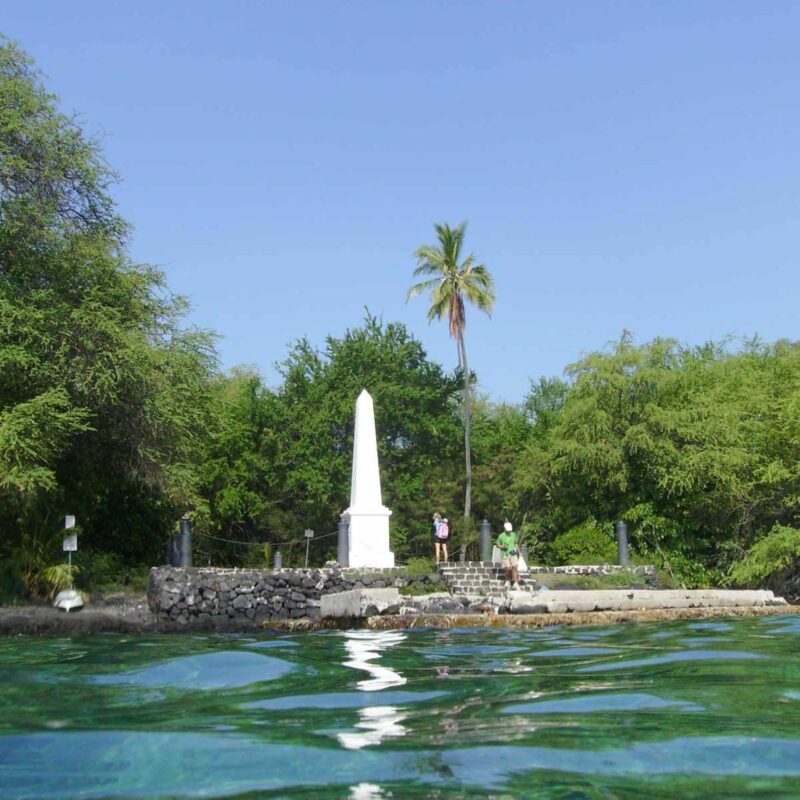
A white monument rises against the rugged shoreline at the northern end of Kealakekua Bay.
For many visitors arriving by boat, it’s one of the first landmarks they recognize.
But the Captain Cook Monument represents only one chapter in the extraordinary history of this part of Hawaii Island.
Why Is There a Captain Cook Monument in Hawaii?
The monument commemorates British explorer Captain James Cook, whose arrival in Hawaii became one of the most consequential moments in the islands’ modern history.
Cook’s ships arrived at Kealakekua Bay in 1779.
His arrival occurred during the Makahiki season, an important period in traditional Hawaiian life associated with peace, agriculture, games and ceremonies honoring Lono.
Cook and his crew eventually departed but later returned to Kealakekua Bay.
Tensions escalated between the sailors and Native Hawaiians, culminating in conflict during which Cook was killed near the bay.
The monument that stands along the shoreline today commemorates him.
The Monument Isn’t the Whole Story
It’s easy to look at the white obelisk and assume it represents the history of Kealakekua Bay.
It doesn’t.
Native Hawaiian history here stretches back generations before Cook’s arrival.
The coastline was already home to thriving communities with sophisticated systems of fishing, navigation, agriculture, religion and social organization.
Kealakekua itself was an important cultural landscape.
Understanding the Captain Cook Monument therefore requires looking beyond the monument.
Cook’s arrival changed Hawaiian history.
But Hawaiian history did not begin with Cook.
An Unusual Piece of Land
One fascinating detail often surprises visitors.
The small parcel surrounding the monument is associated with the United Kingdom, although it remains geographically part of Hawaii.
That unusual historical connection makes the monument even more distinctive against the otherwise undeveloped shoreline.
Why Snorkelers Know the Monument
Today, many visitors associate the Captain Cook Monument with something completely different:
excellent snorkeling.
The waters nearby lie within Kealakekua Bay’s protected marine environment.
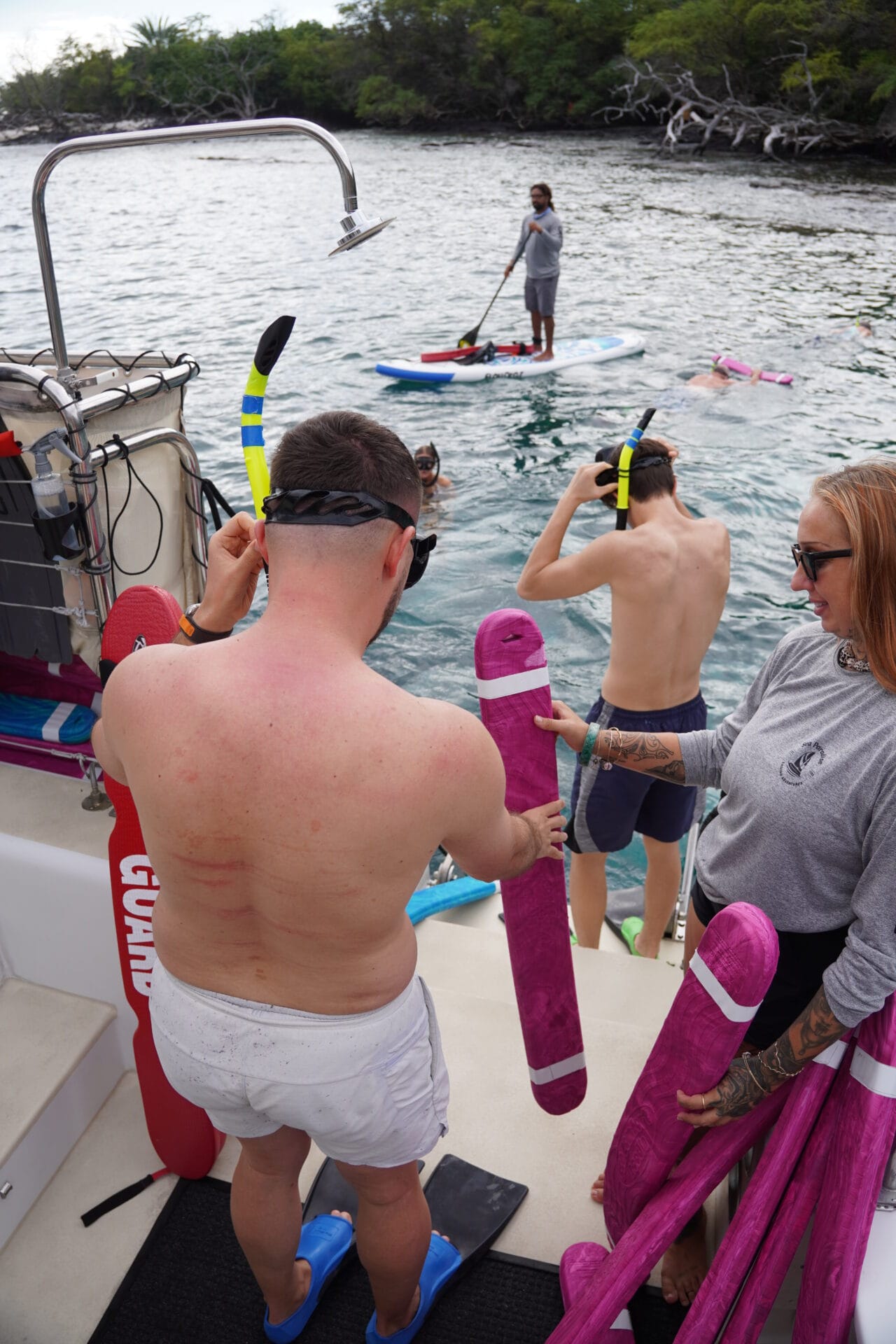
Clear conditions, coral habitat and abundant tropical fish make the area one of South Kona’s best-known snorkeling destinations.
From the surface, you can look toward the monument and towering coastline.
Put your face into the water and an entirely different landscape appears beneath you.
That’s part of what makes the experience so unusual.
You’re simultaneously surrounded by natural beauty, marine life and centuries of history.
Arriving by Sea
The perspective from the water is particularly powerful.
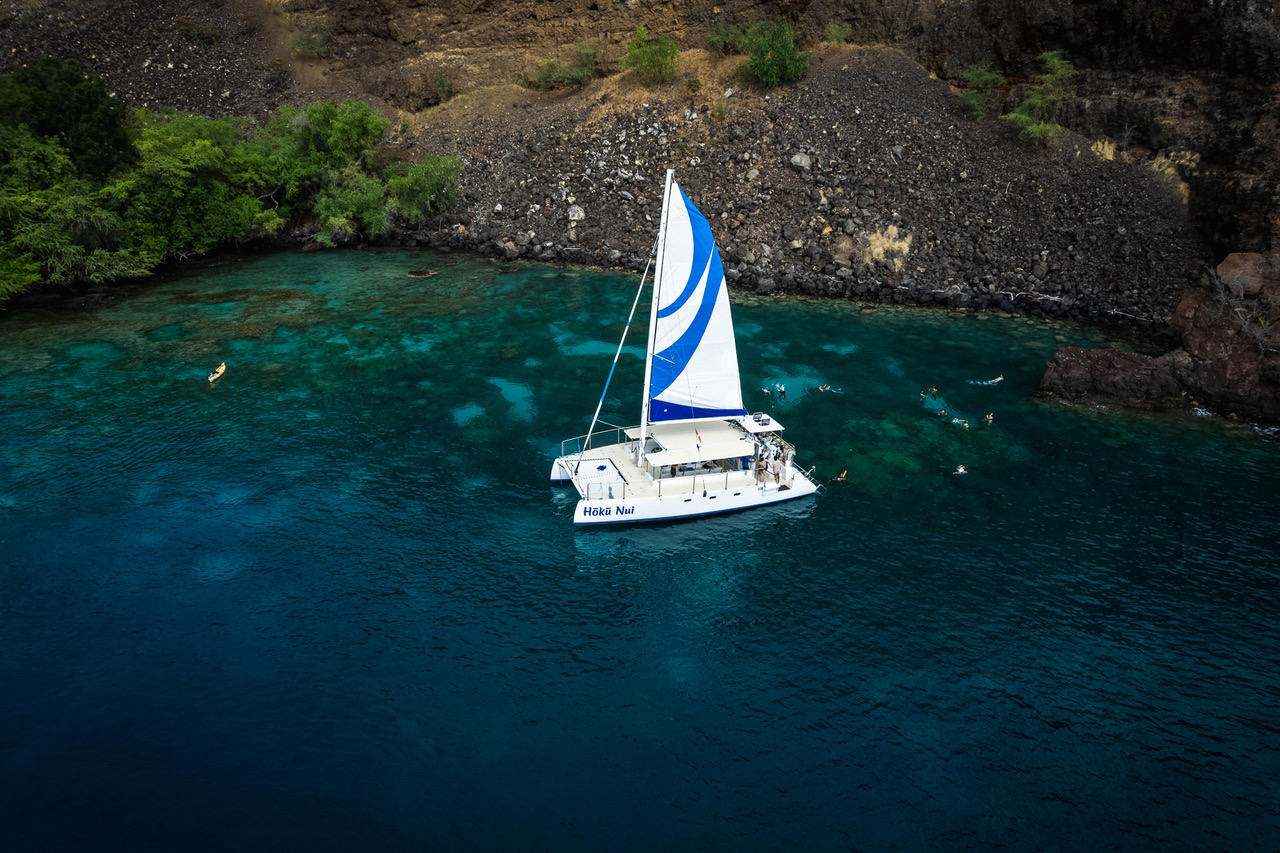
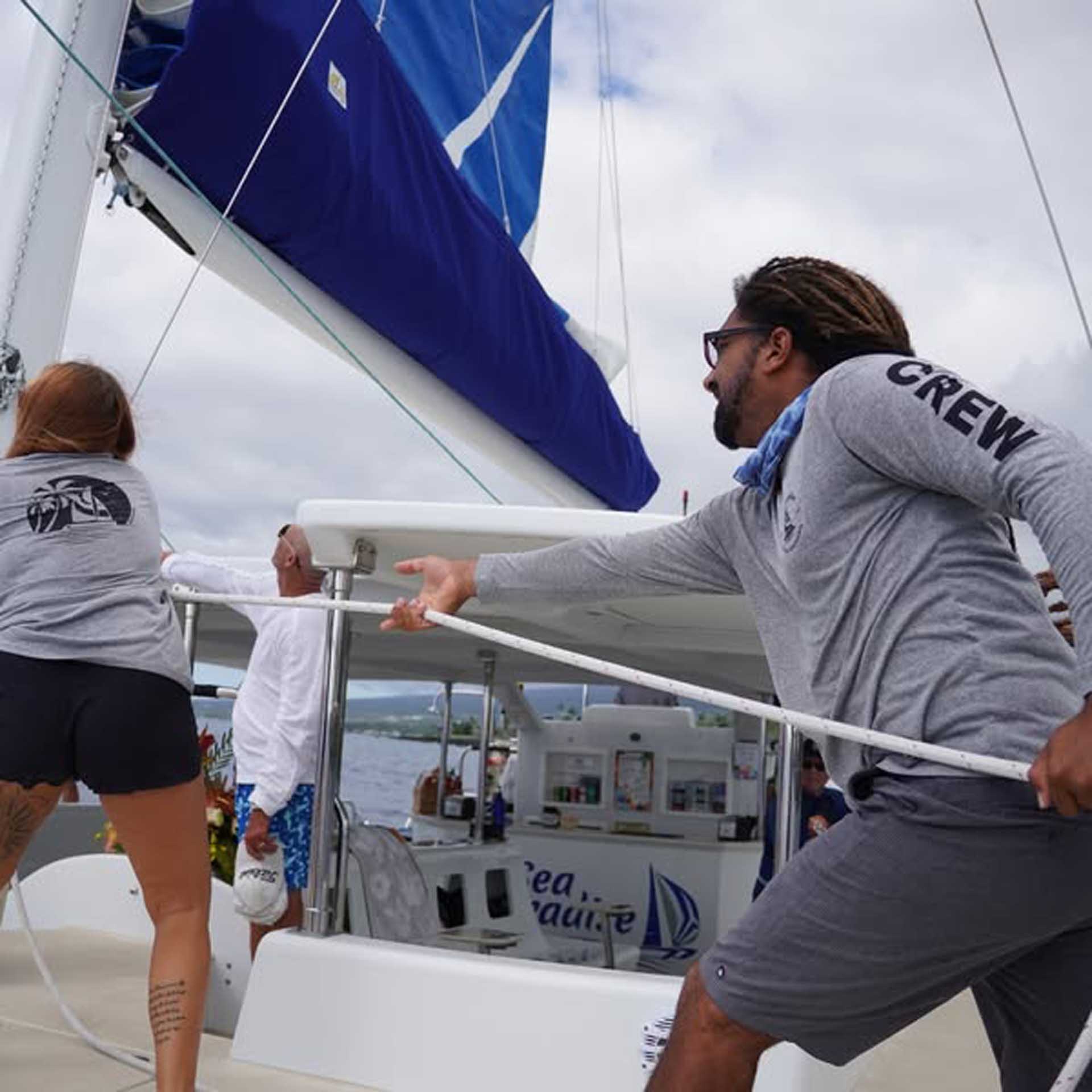
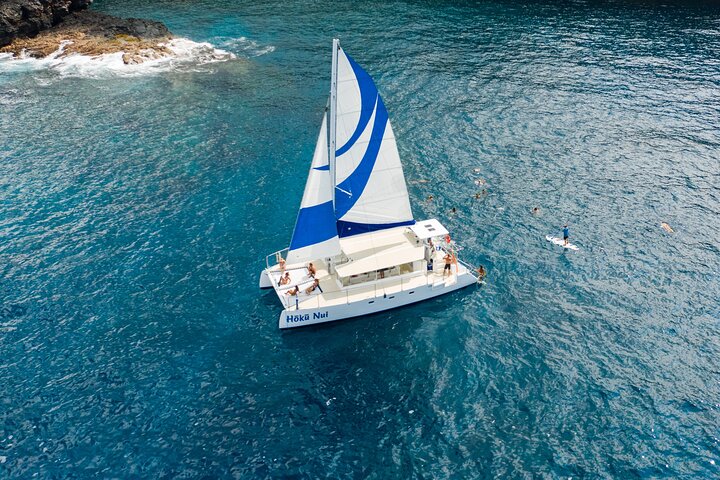
Aboard Hoku Nui, Sea Paradise’s spacious 50-foot catamaran, guests travel along the Kona Coast toward Kealakekua Bay.
The volcanic shoreline slowly unfolds ahead.
Then the bay opens.
The cliffs rise.
And eventually the small white monument becomes visible against the coast.
Arriving by water provides a sense of geography that’s difficult to understand from land alone.
You can see why the bay offered anchorage.
You can see how steeply the landscape rises.
And you begin to understand why Kealakekua became such an important meeting point in Hawaiian and global history.
Visit With Curiosity and Respect
The Captain Cook Monument is worth seeing.
But the most meaningful visit goes beyond taking a photograph of it.
Learn about Cook.
Learn about Makahiki.
Learn about the Native Hawaiian communities who lived here long before European ships arrived.
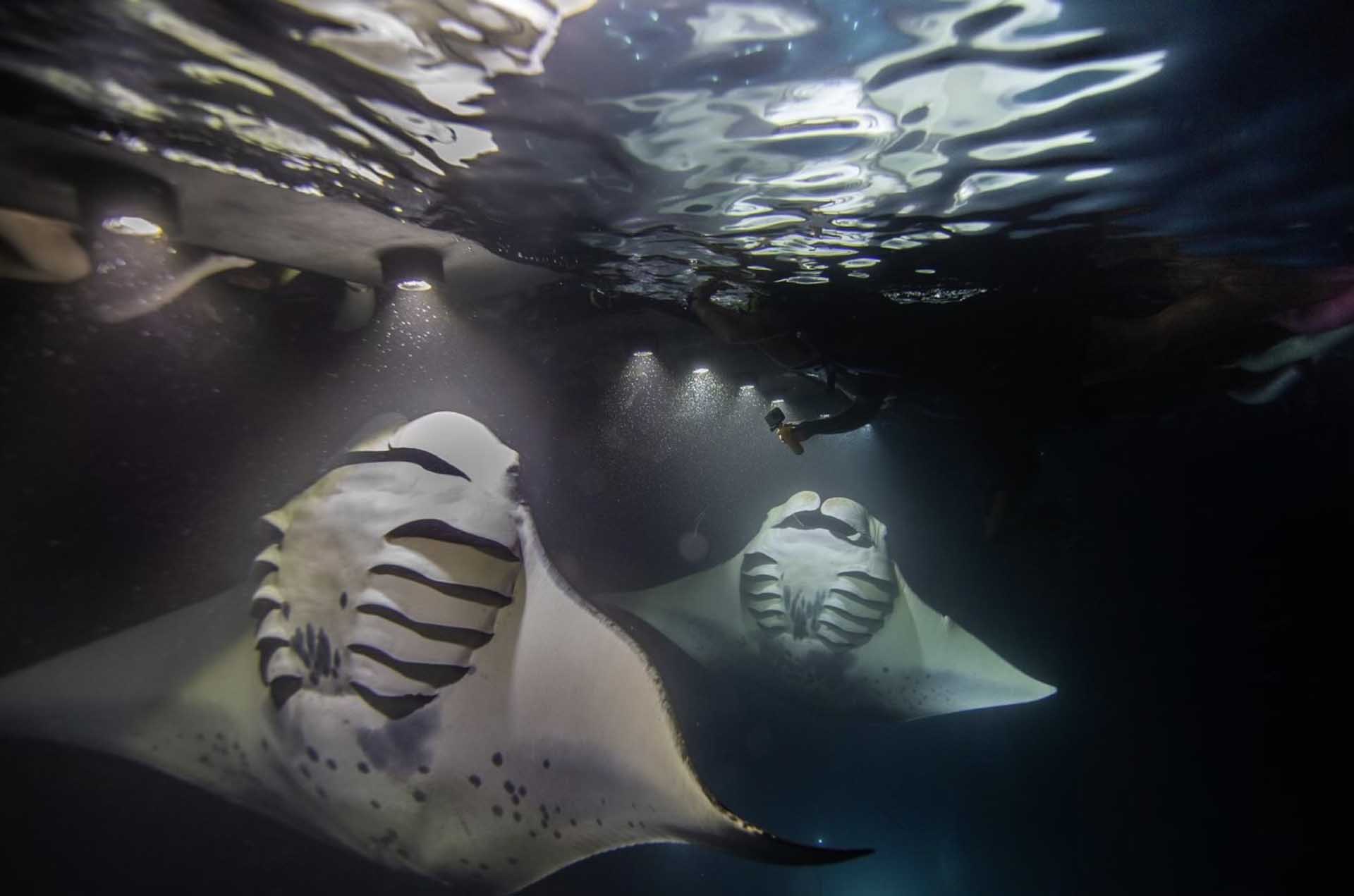
Then explore the extraordinary marine ecosystem that exists just offshore.
Because Kealakekua Bay isn’t simply where two cultures met more than two centuries ago.
It’s a living Hawaiian landscape.
And its story continues.
Learn more about the Captain Cook Monument and visiting Kealakekua Bay with Sea Paradise:
https://seaparadise.com/captain-cook-monument/