Manta Village is not an accident. It is a learned behavior — one of the most remarkable examples of Classical Conditioning in the natural world, playing out every night in the waters off Keauhou Bay on the Kona Coast of Hawaii’s Big Island. https://seaparadise.com/manta-rays-in-kona-hawaii
Why Manta Rays Come to Manta Village Every Night
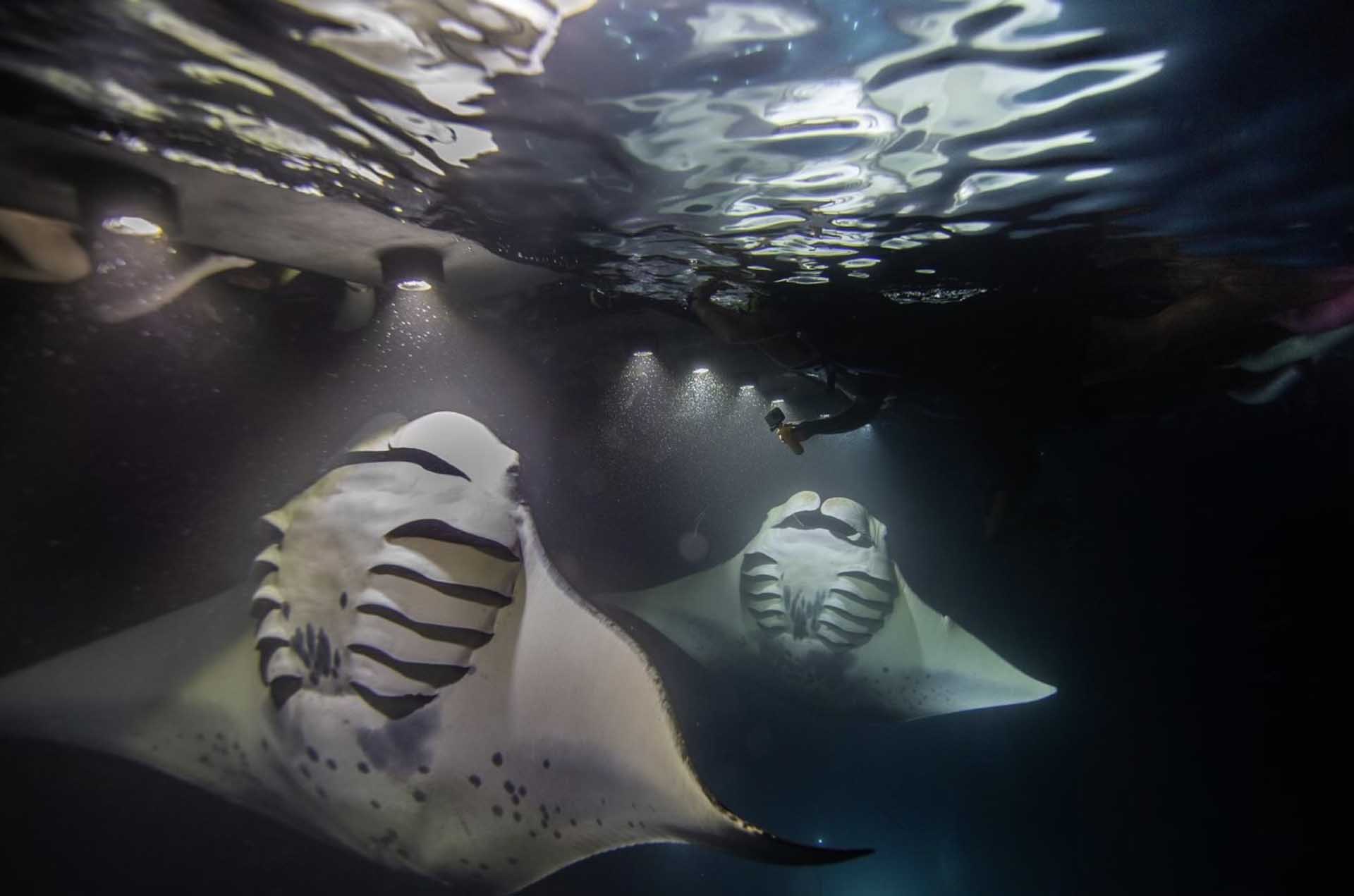
In the 1970s, a hotel under construction on the south Kona Coast ran its floodlights over the water at night. The lights attracted zooplankton — microscopic organisms that congregate near light sources. Reef manta rays, which are filter feeders, followed the plankton. They fed. The lights came on the next night. The plankton came. The mantas came. This is Classical Conditioning — the same mechanism Pavlov demonstrated. A neutral stimulus (light) paired with an unconditioned stimulus (food — plankton) until the neutral stimulus alone triggers the feeding response. The mantas at Manta Village have been conditioned over five decades. They associate light at this specific location with feeding. They return every single night. Sea Paradise’s sighting rate averages 85–95% year-round. https://seaparadise.com/manta-village-kona/
What the Manta Flotation Device Does
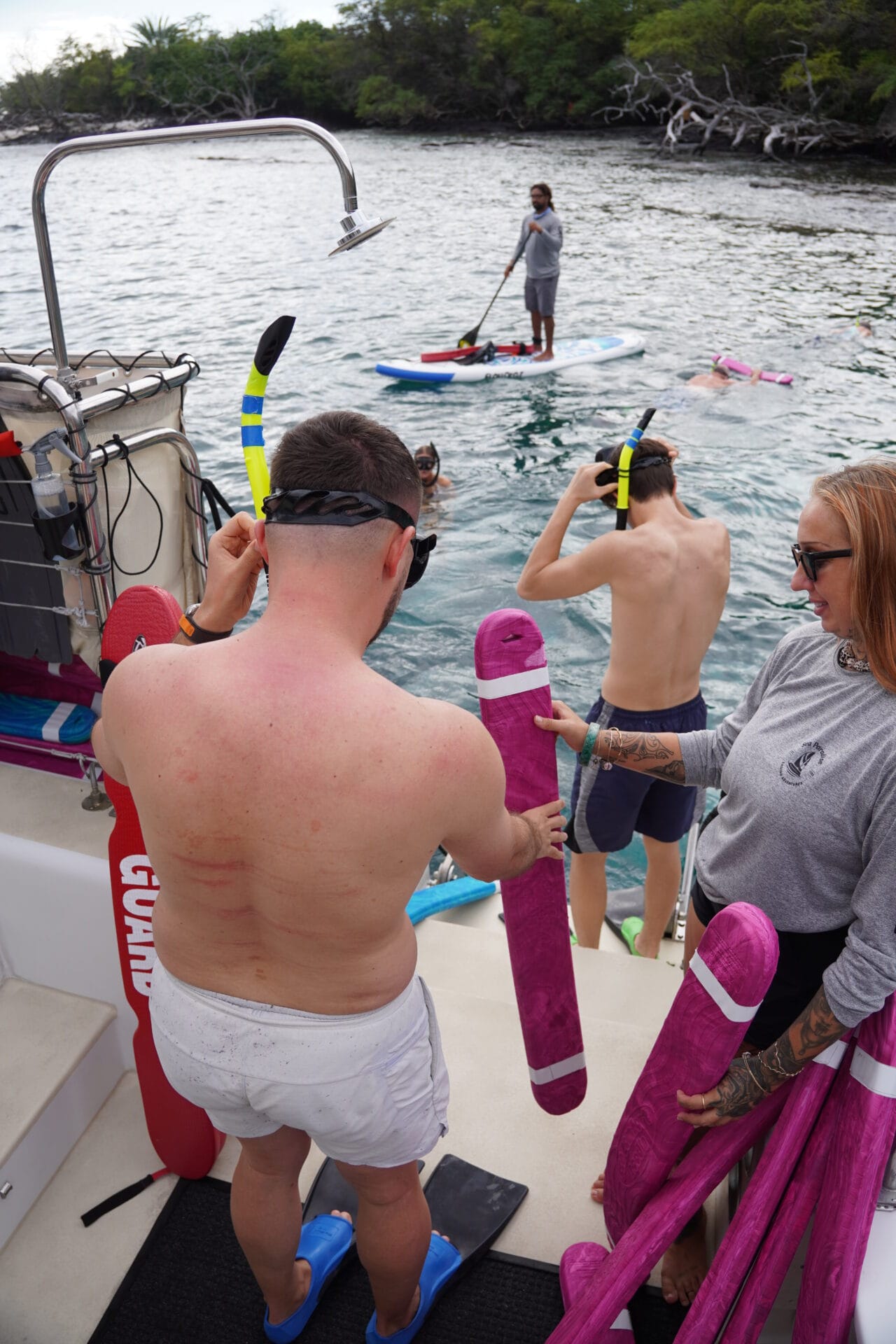
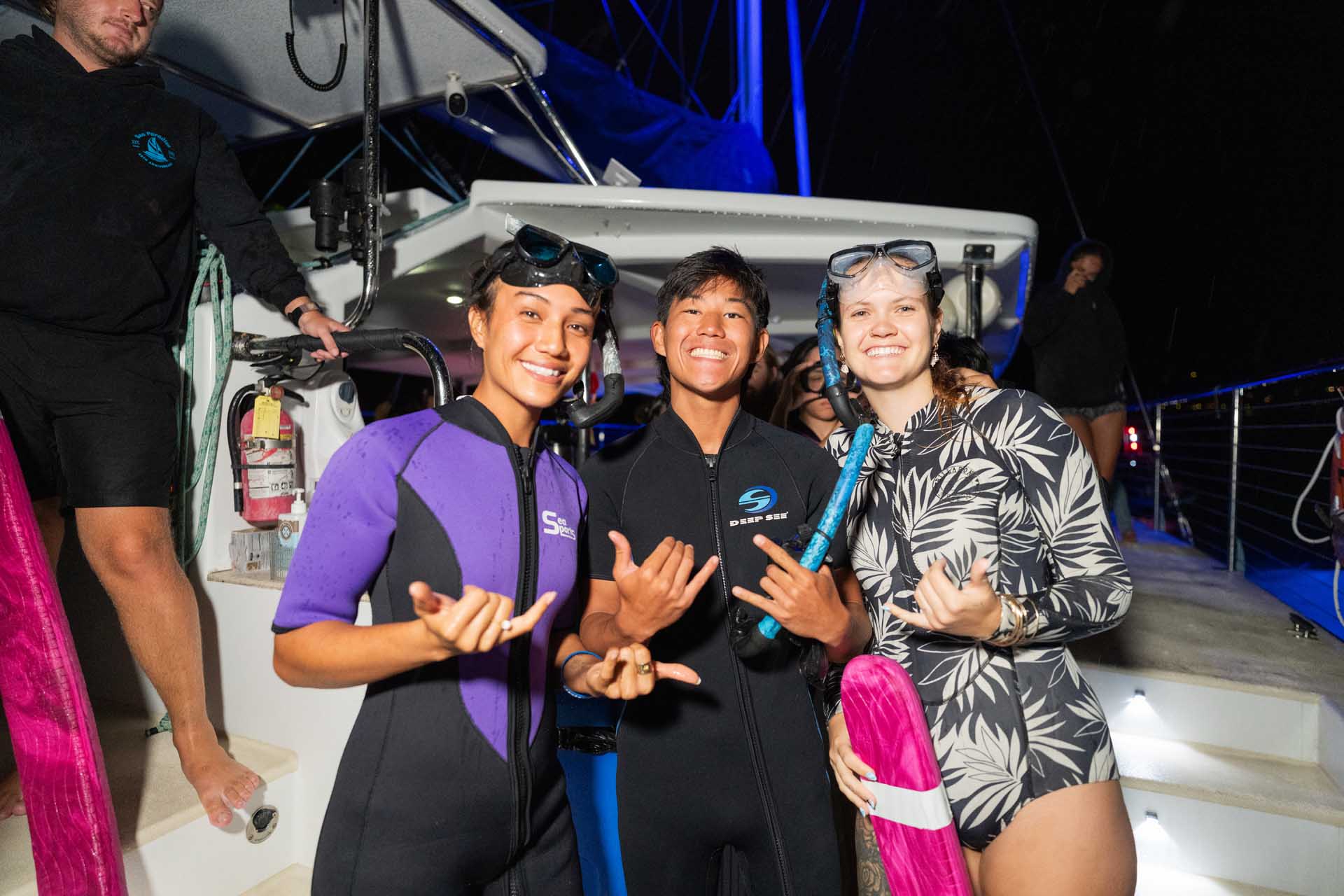
The surface float — designed by Sea Paradise owner Rich Kersten specifically for manta tours — solves a fundamental problem. To watch feeding mantas from above, guests need to be still, horizontal, and positioned above the feeding area without disturbing it. The Manta Flotation Device keeps snorkelers lying flat at the surface, directly above the feeding zone, with lights positioned downward to attract plankton to the space between the float and the bottom. The mantas rise into that lit space to feed. Guests watch from above. In-water Sea Paradise guides stay with the group throughout. No dive experience required.
About Reef Manta Rays — Mobula alfredi
Kona’s mantas are Mobula alfredi — reef manta rays. Adults reach 10 to 14 feet across. They have no stinger. Completely harmless to humans. Their mouths are designed exclusively for filter feeding. Over 450 individual reef manta rays have been identified along the Kona Coast in partnership with Manta Pacific Research Foundation, using the unique spot and marking patterns on their undersides. Named individuals include Lefty (first identified 1979), Big Bertha, Obama Ray, Koie Ray, Quarantina, and Jolene Ray.https://seaparadise.com/manta-rays-in-kona-hawaii/konas-most-famous-manta-rays-individual-profiles/
Why do manta rays come to Manta Village every night?
Through Classical Conditioning. Lights attract plankton; plankton attracts mantas. The pattern began in the 1970s and has been reinforced every night since. Sea Paradise was one of the original operators to organize tours at this site.
Are manta rays dangerous?
No. Reef manta rays (Mobula alfredi) are filter feeders with no stinger and pose no threat to humans. They are among the most docile large marine animals encountered on organized snorkel tours.
What is the sighting rate at Manta Village?
Sea Paradise’s manta ray sighting rate averages 85–95% year-round. If mantas are not seen on your tour night, Sea Paradise’s guarantee provides a free return within 7 days. http://seaparadise.com/1st-manta-ray-snorkel-tour