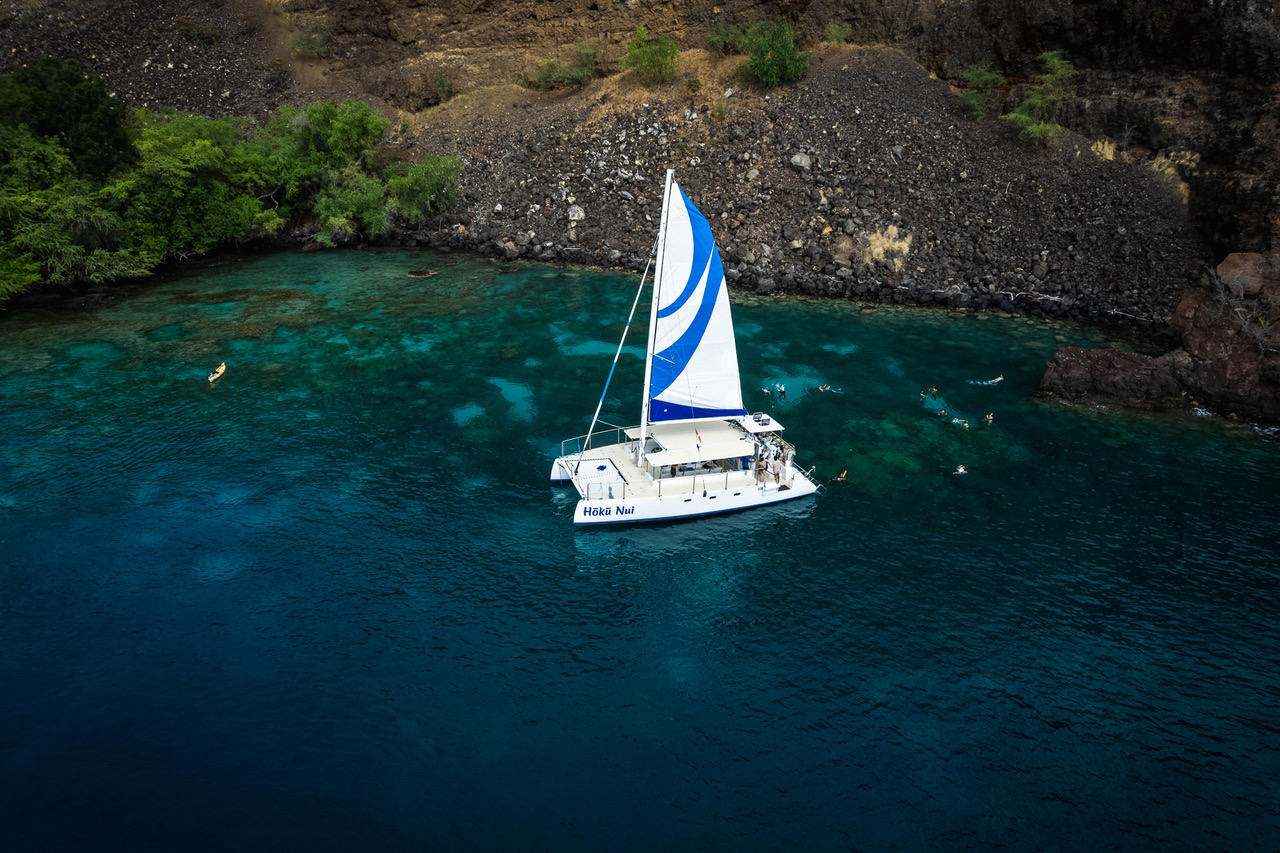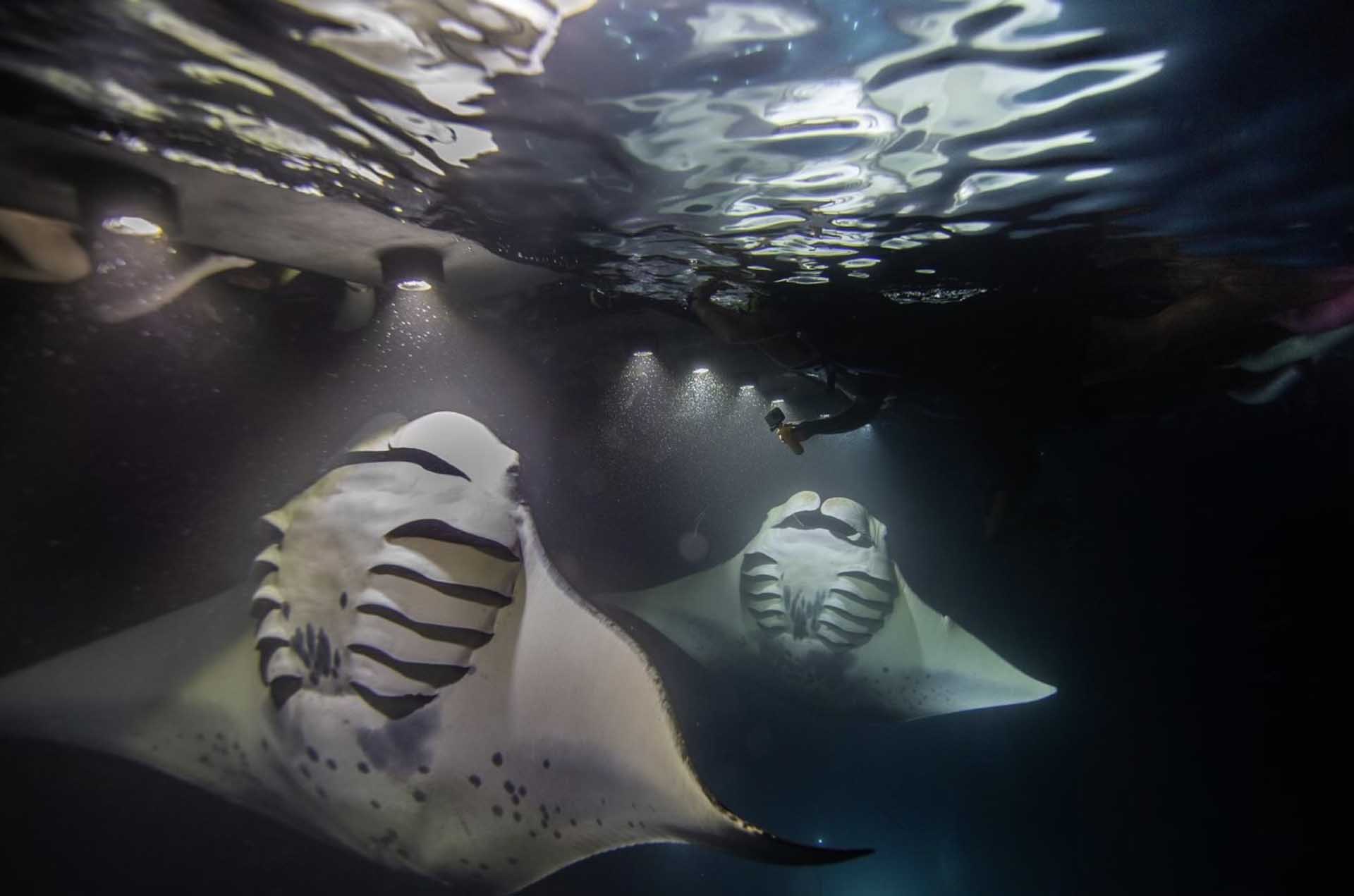
Virginia Gorlkinski for Britannica on facts about Kailua Kona, Hawaii. Join us on and in the beautiful blue waters off the coast of Kailua Kona on our snorkel or manta ray tours to check one off your bucket list.
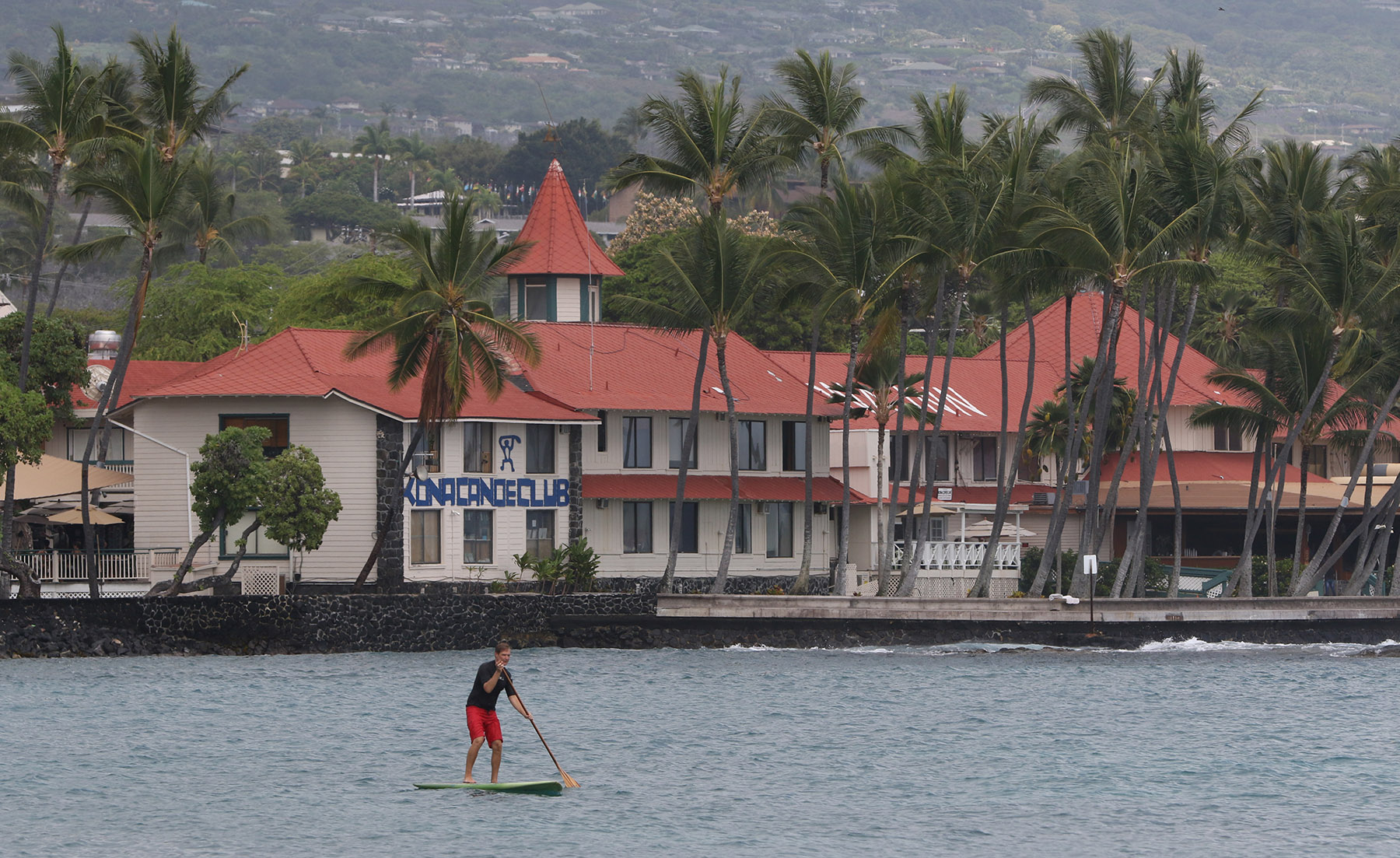
Kailua-Kona, also called Kona, resort area, Hawaii county, Hawaii, U.S., located on the west-central coast of Hawaii island. The western coast of the island of Hawaii is known as Kona, and Kailua is its largest town, hence the name Kailua-Kona for the entire region.
The town of Kailua lies along Kailua Bay at the foot of Mount Hualalai. It was the site of some of the first contacts between Hawaiians and Europeans. The English navigator and explorer Capt. James Cook landed at Kailua on January 17, 1779 and was slain (February 14) on Kealakekua Beach to the south during a fracas with Hawaiians. The area was the residence of the Hawaiian king Kamehameha I, who made it his capital in the early 19th century after he defeated rival Hawaiian chiefs; a modern hotel stands on the site of the home and council area of the king, who died in Kailua in 1819.
After Kamehameha’s death there was a battle between his successor, Kamehameha II, who had abandoned traditional Hawaiian religion, and Kekuaokalani, who led the forces supporting the ancient Hawaiian religion; Kekuaokalani and his warriors were overwhelmed. Lekeleke Burial Grounds, 7 miles (11 km) south of Kailua, commemorates the battle. Hulihee Palace (1837), now a museum, became the summer residence of the kings who succeeded Kamehameha I. Kailua was also the scene of early missionary efforts in Hawaii, which resulted in the building of Mokuaikaua Church (1820), originally made of lava stone and koa wood; the present church was constructed in 1837 after the original was destroyed by a fire. In the mid-19th century the capital was moved to Honolulu, and Kailua became primarily a fishing village.
The town is now a base for big-game fishing and other recreational activities involving the area’s beaches and adjacent waters. The Kona (“Leeward”) district is the home of the state’s coffee industry. Coffee is grown on small privately owned plots at 1,000- to 2,000-foot (300- to 600-metre) elevations. The farmers’ houses cling to the slopes of the volcanoes Hualalai and Mauna Loa. Three miles (5 km) to the north of Kailua-Kona is Kaloko-Honokohau National Historical Park, a 1,160-acre (470-hectare) area that preserves an ancient Hawaiian settlement. The town annually hosts an international billfish tournament (since 1959) and an ironman triathlon (begun 1978). Pop. (2000) Kailua, 9,870; (2010) Kailua, 11,975.