Some of the world’s most remarkable attractions were carefully planned. Manta Village wasn’t.
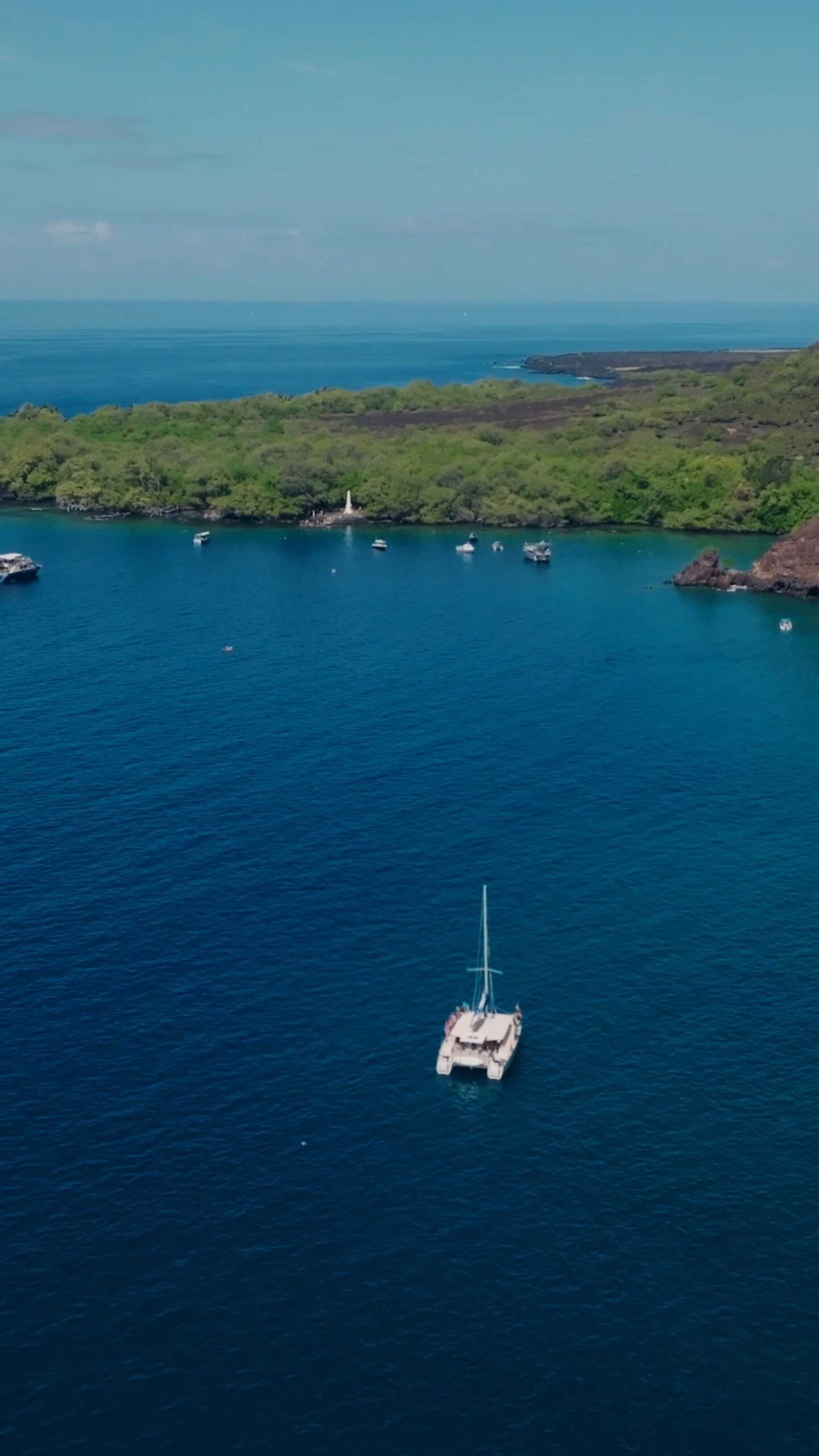
Located just offshore from Keauhou Bay on the Kona Coast of Hawaii Island, Manta Village has become famous for nighttime encounters with reef manta rays. Yet the origins of this incredible experience trace back to something surprisingly ordinary: construction lights.
During hotel construction along the Keauhou shoreline in the 1970s, powerful lights illuminated the water at night. Plankton gathered around the light. Manta rays, which feed on plankton, followed.
Over time, mantas learned that illuminated areas could provide an abundant feeding opportunity. That accidental discovery helped establish what would eventually become the Manta Village experience known around the world today.
How Manta Village Works Today
Modern manta tours recreate the basic conditions that originally attracted the animals.
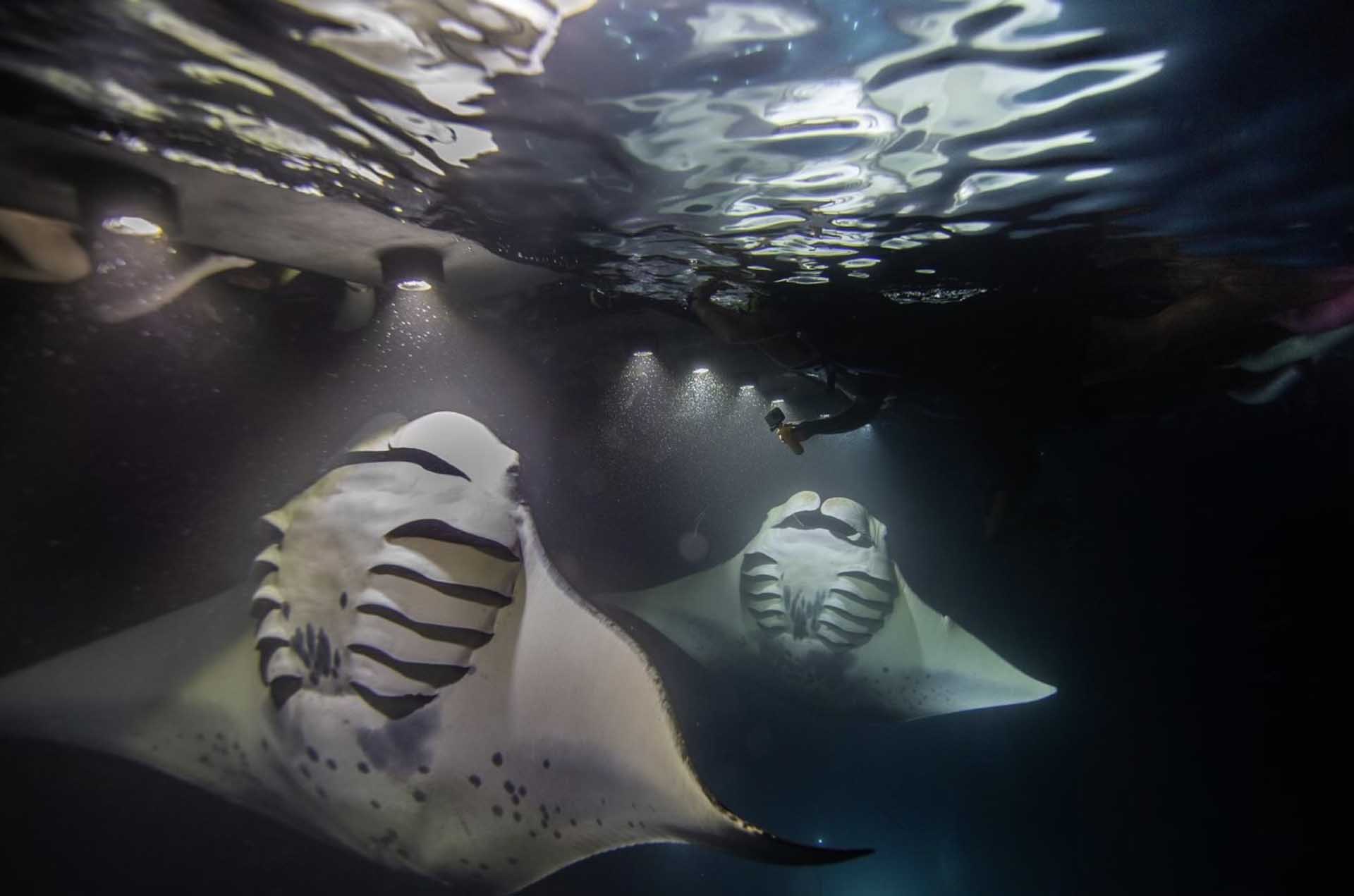
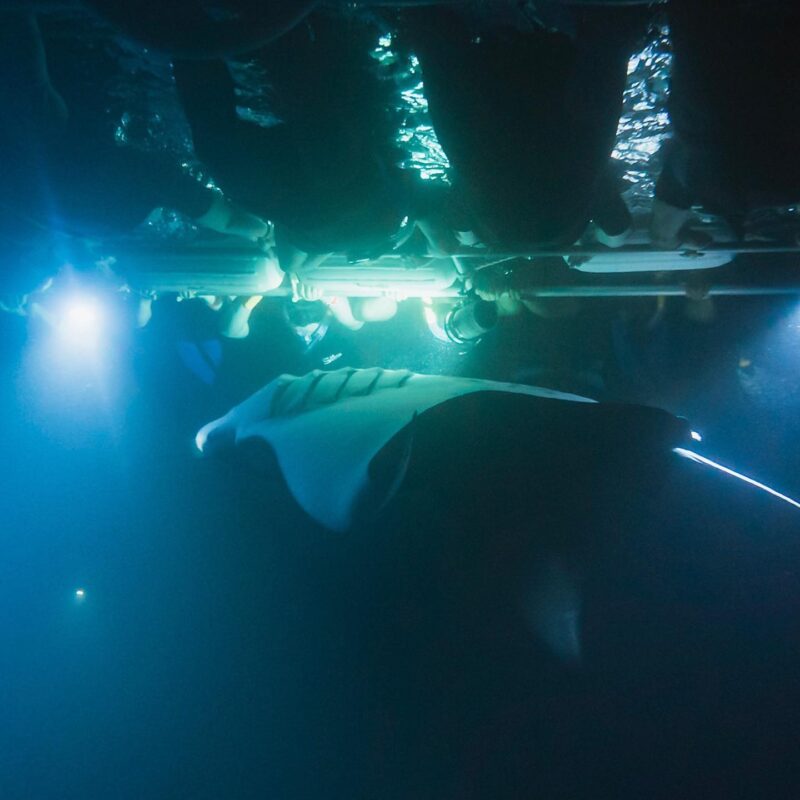
Special underwater light boards illuminate the water and attract plankton. The plankton attract hungry manta rays. Guests remain at the surface and watch as the mantas feed below.
The mantas are not being baited or fed by people. They remain wild animals that decide whether to approach the illuminated feeding area.
The experience can be spectacular.
A manta may glide upward through the light before turning gracefully beneath the surface. Another may perform sweeping barrel rolls while feeding on concentrated plankton.
Despite their impressive size, reef manta rays are gentle filter feeders.
More Than 40 Years of Kona Experience
Sea Paradise began operating organized manta tours at Manta Village in 1985 and remains one of the location’s longest-running operators.
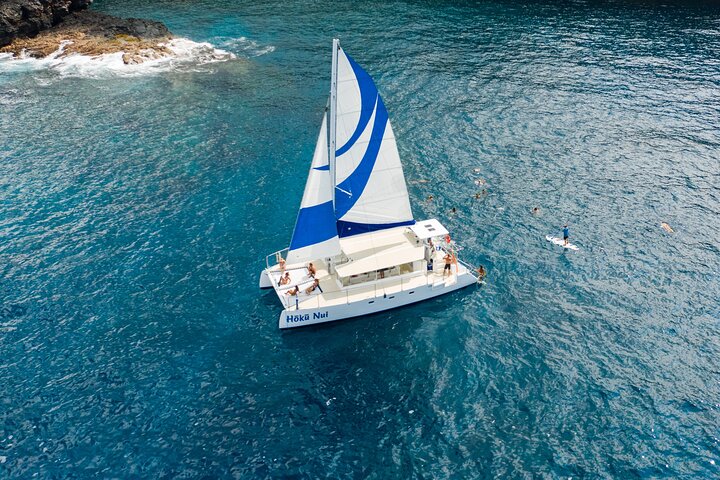
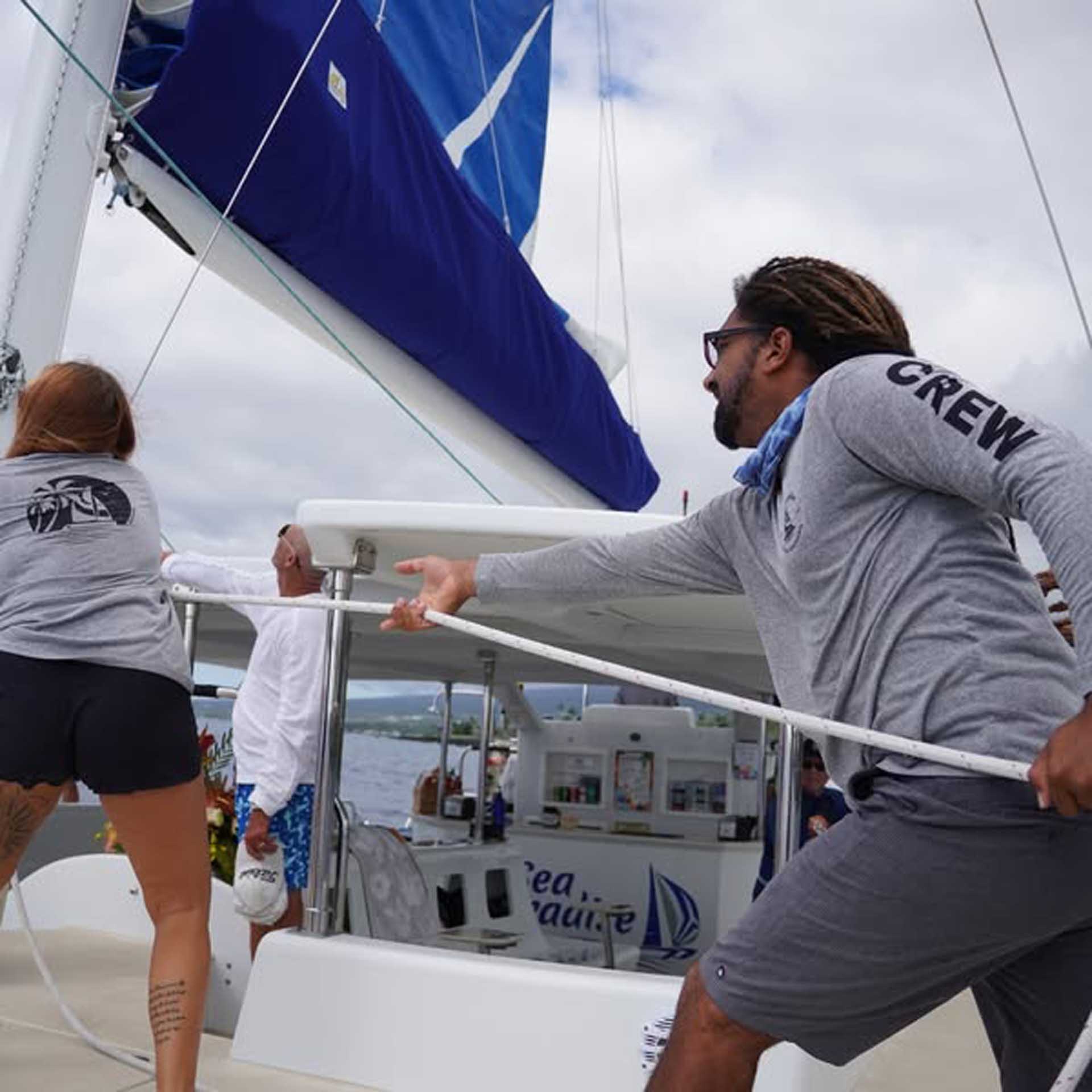
Today, guests depart nearby Keauhou Bay aboard the Hoku Nui, Sea Paradise’s 50-foot catamaran.
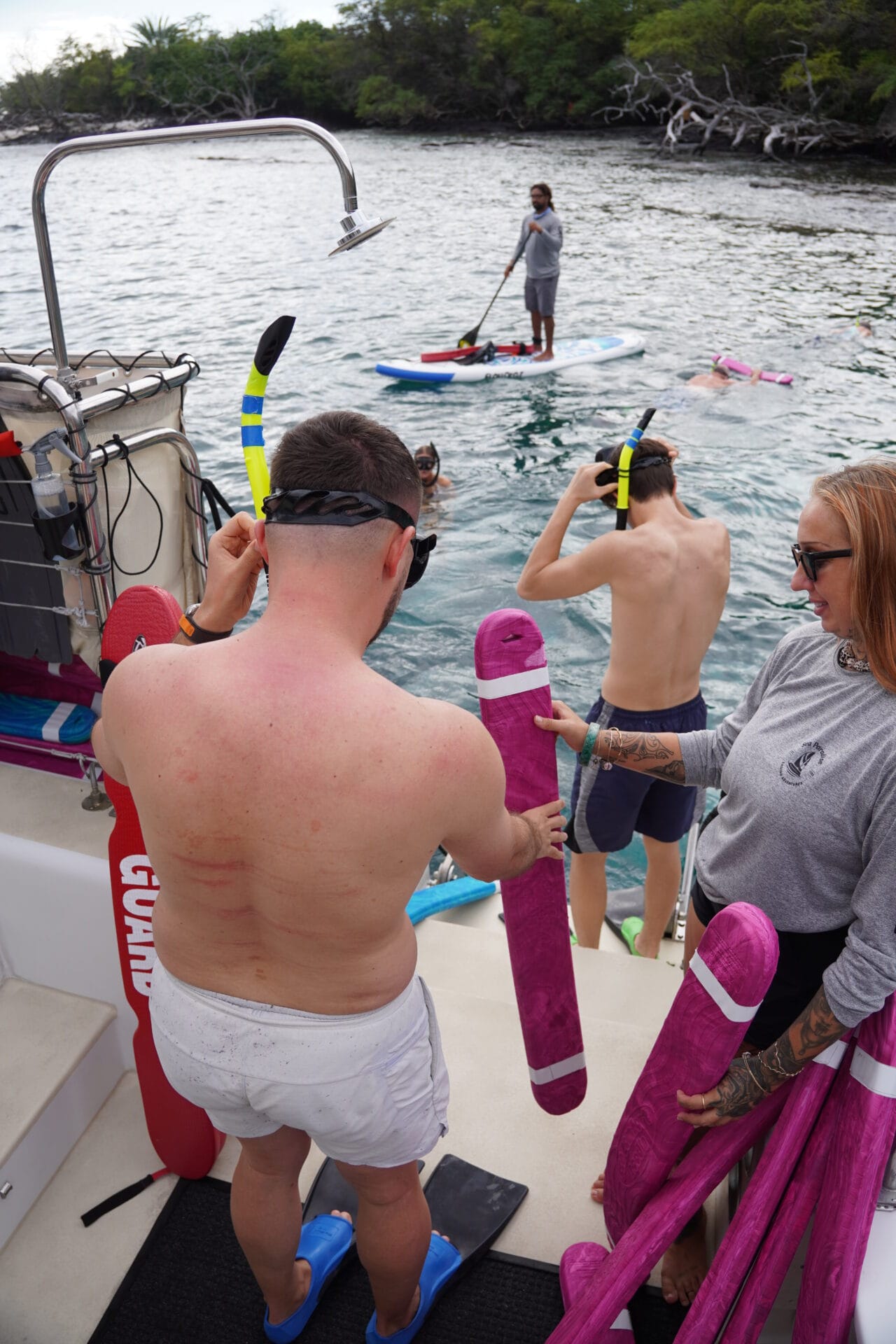
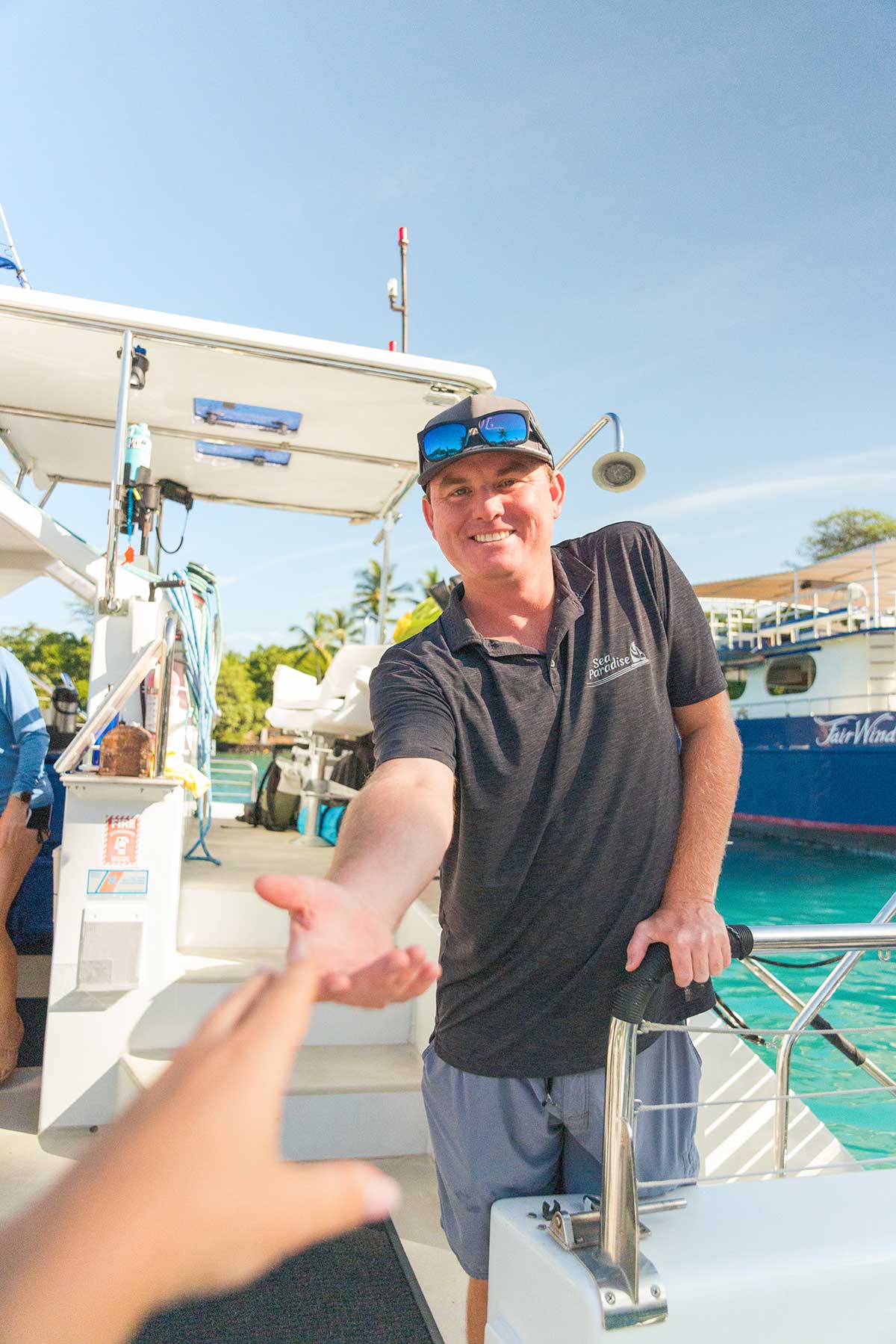
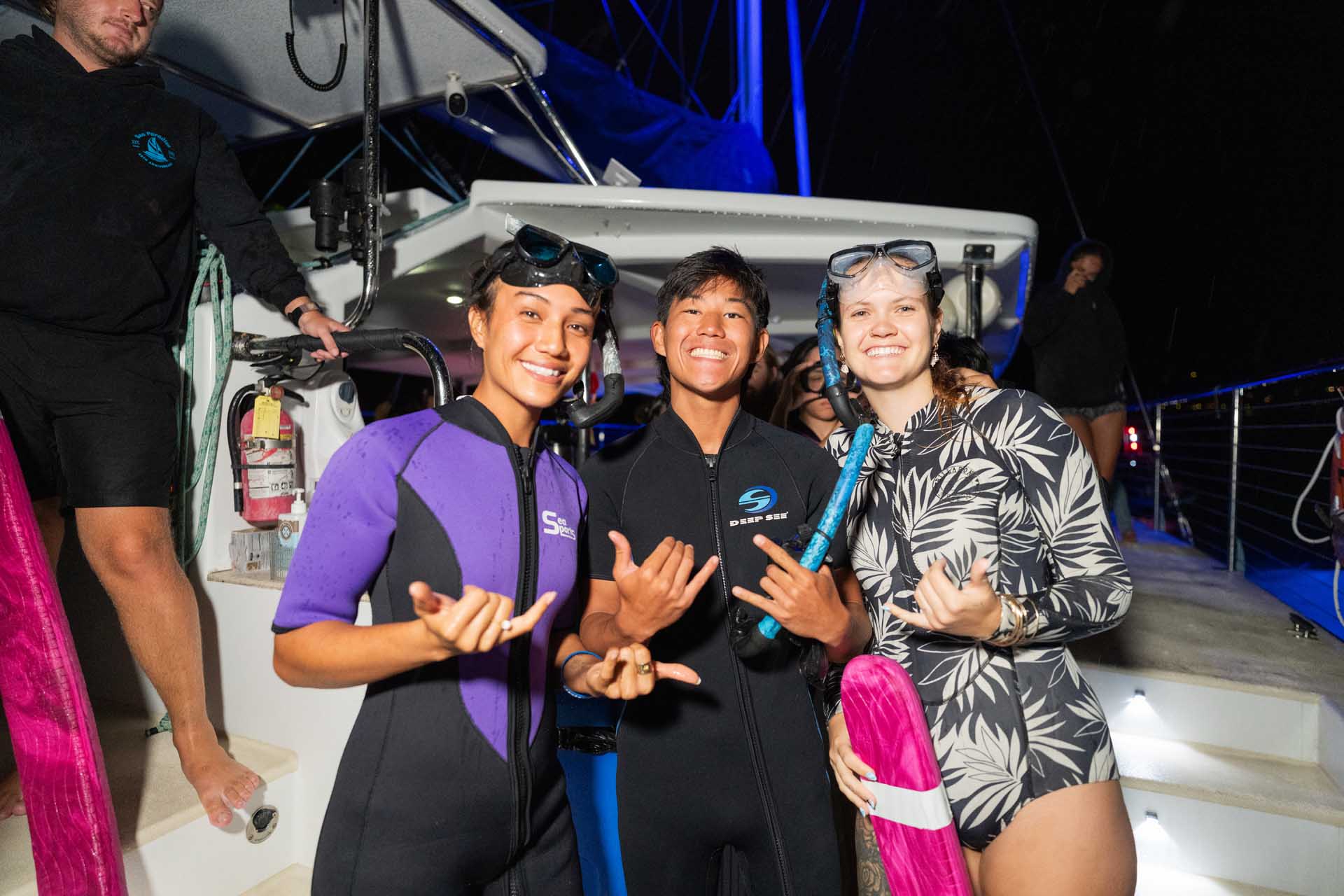
The larger, stable platform gives guests space to enjoy their trip rather than being packed aboard a small rigid inflatable craft. An experienced crew helps prepare guests for the water and provides information about Kona’s manta population and marine environment.
Manta Village has a resident population connected to more than 450 individually identified Kona Coast mantas. Among the best-known is Lefty, first identified in 1979 and recognizable because of an injured left cephalic fin.
Organized night tours at Manta Village report manta sightings approximately 85–95% of the year, although no one can control the movements of wild marine animals.
What started accidentally with construction lights decades ago has grown into one of Kona’s signature ocean experiences.
For visitors hoping to see it themselves, Sea Paradise combines the historic Manta Village location, decades of local experience, an experienced marine crew and the comfort of the Hoku Nui.
When booking, look for the Sea Paradise name and the 50-foot Hoku Nui. Don’t be misled by imitators offering a very different boating experience.