Nobody tells you it’s quiet.
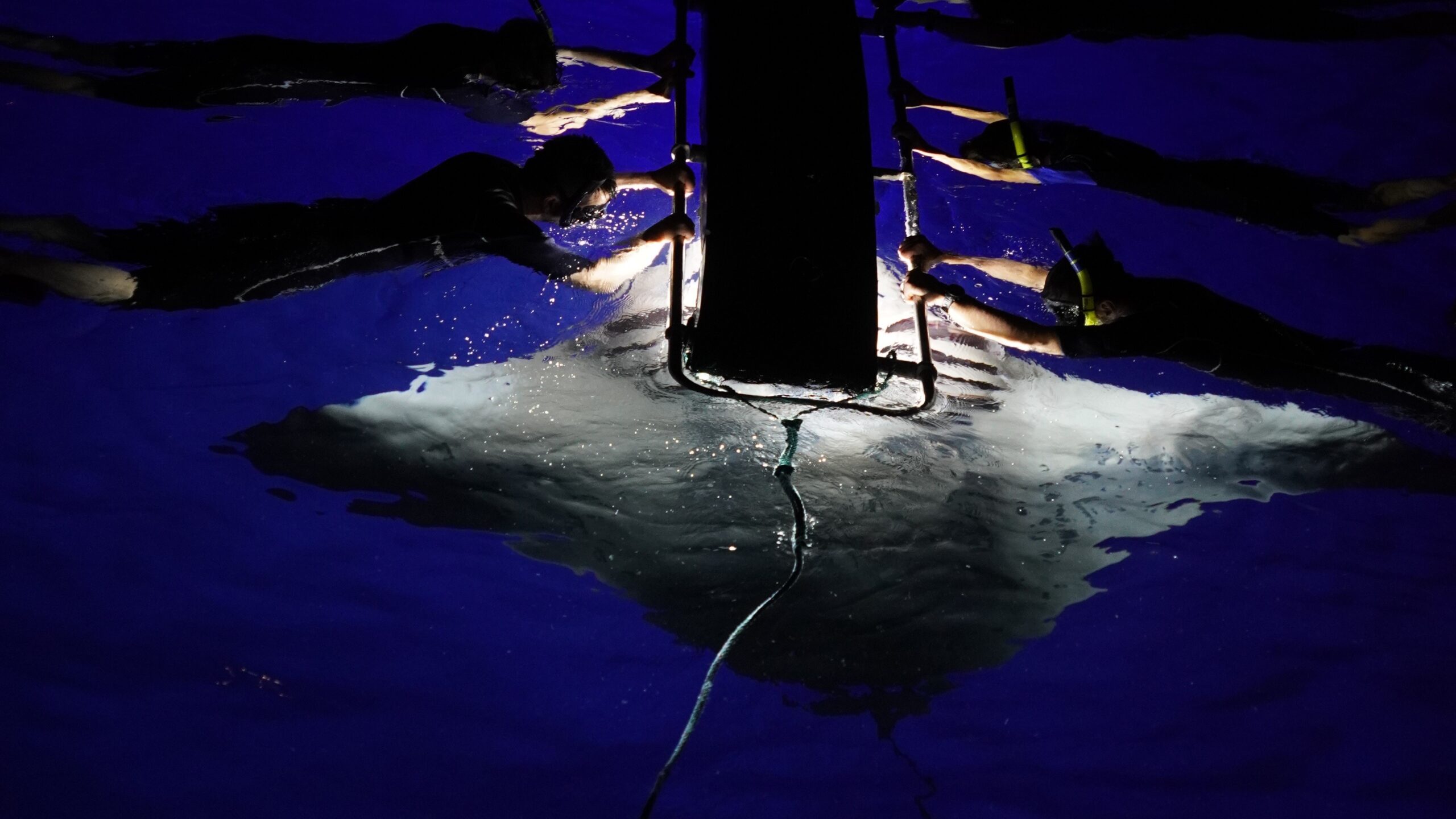
That’s the first thing. You’re lying horizontal on the surface of the ocean at night, the custom Manta Flotation Device glowing beneath you, and it’s completely quiet except for the gentle sound of your own breathing through the snorkel. And then, out of the darkness below, something the size of a dining room table moves toward you.
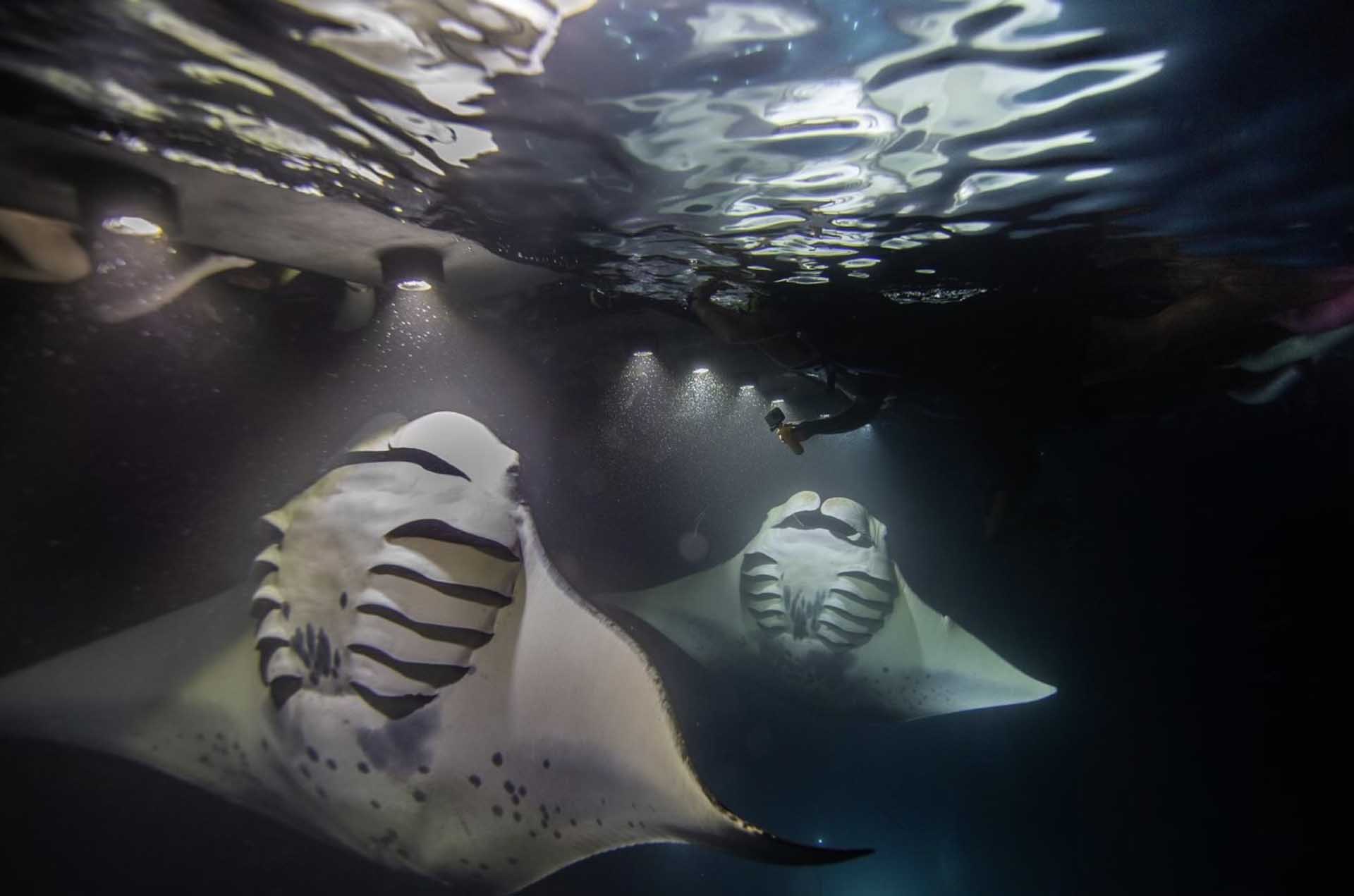
A reef manta ray. Wingspan maybe twelve feet. Banking slowly, effortlessly, its cephalic fins curled forward like it’s cupping the water in front of it, filtering plankton attracted to the light. It passes directly underneath you, close enough that you could almost reach down. There’s no other experience quite like it in the ocean.
What Actually Happens — From the Dock to the Water
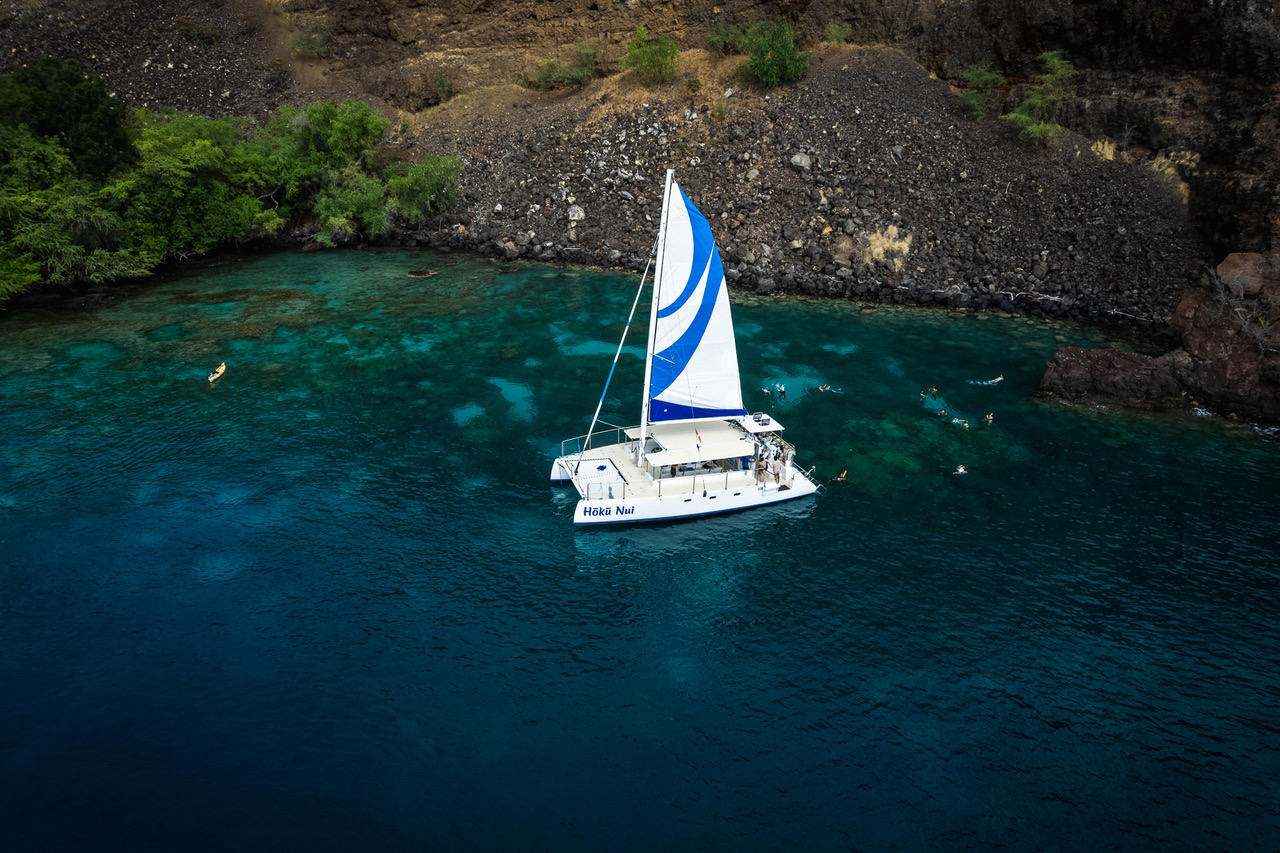
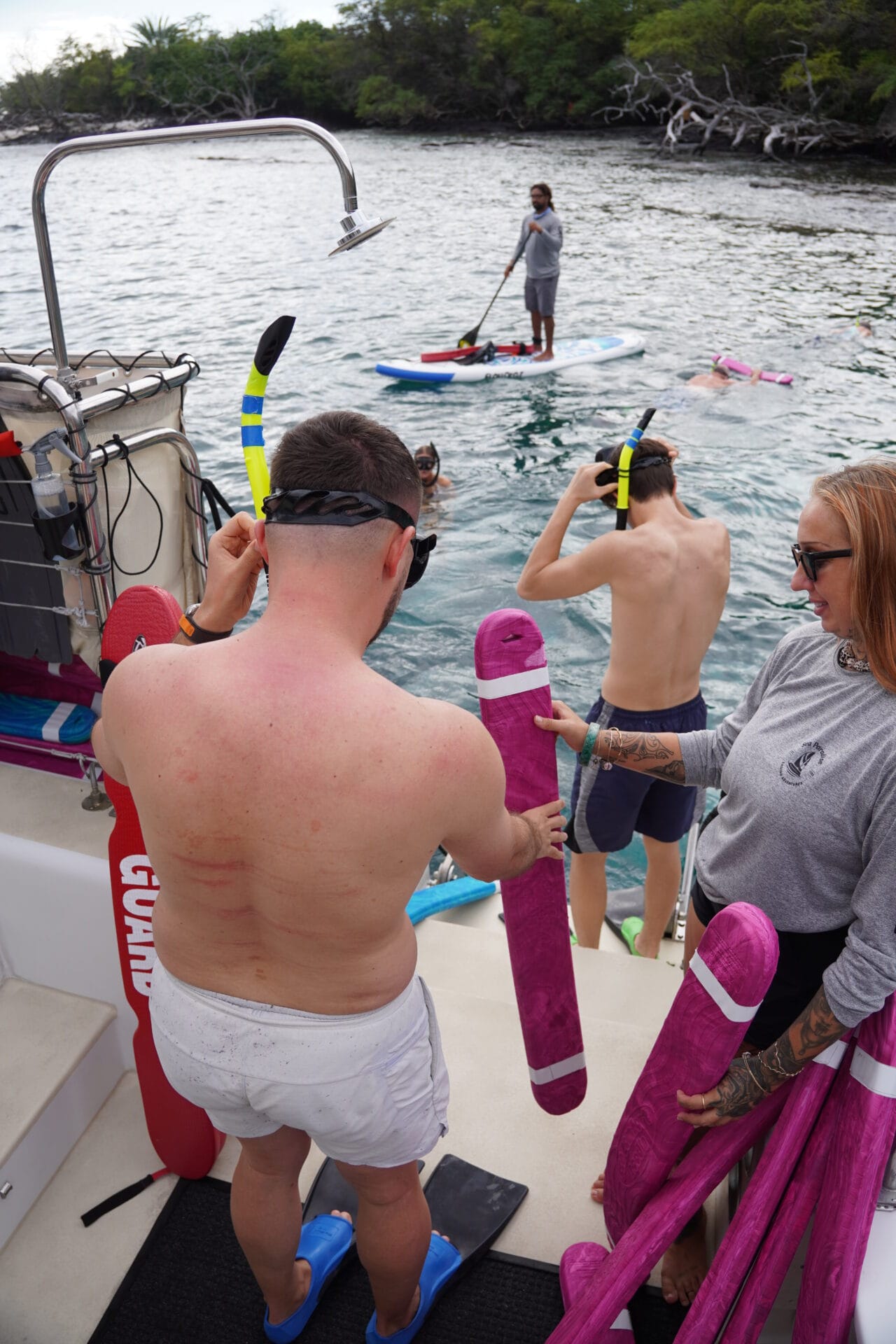
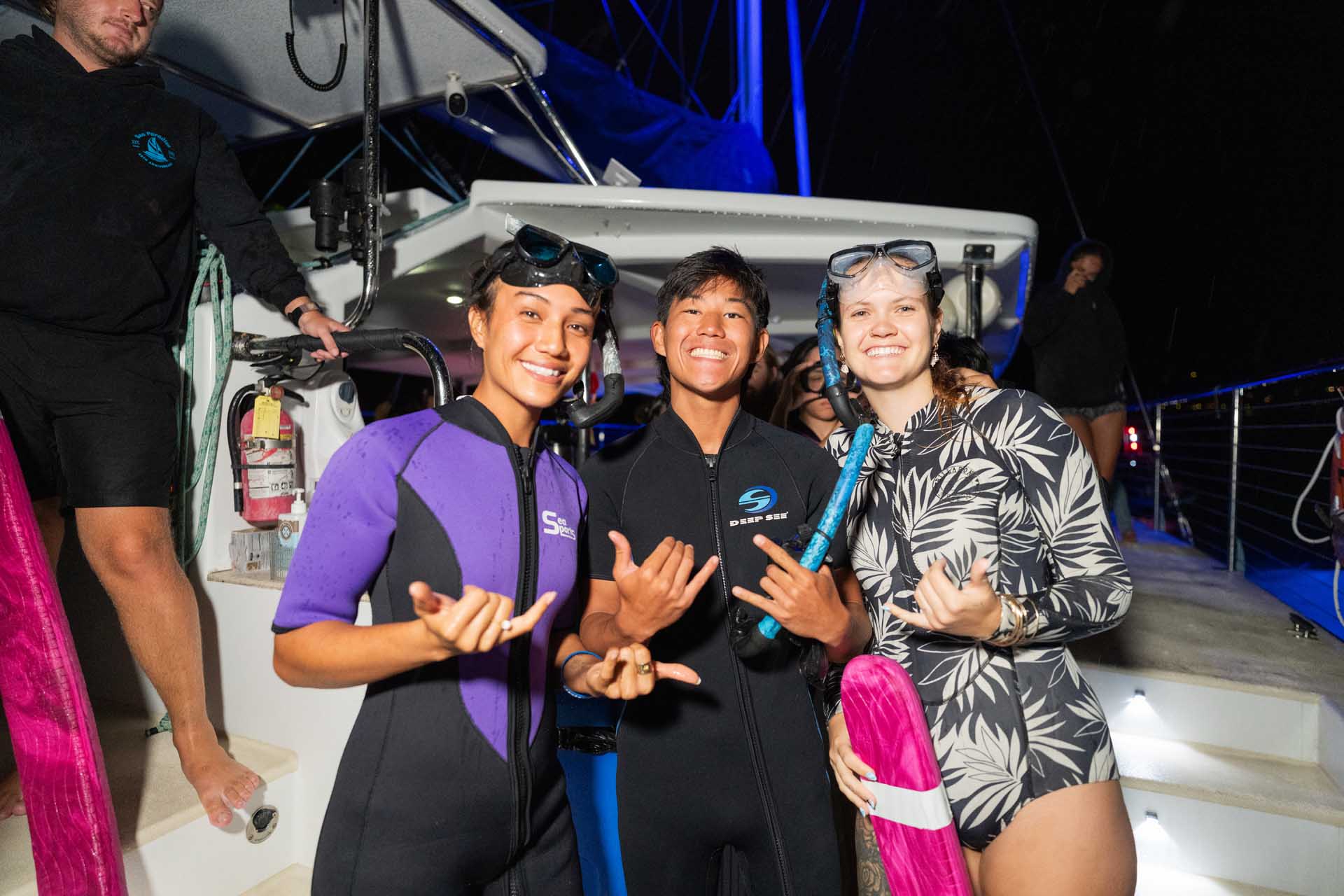
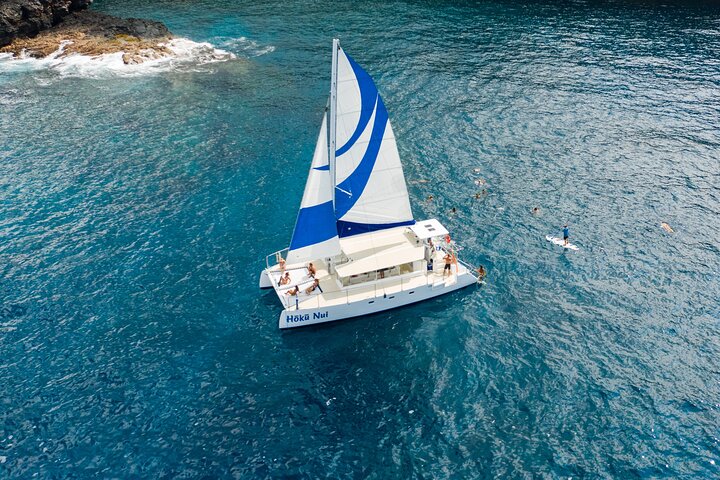
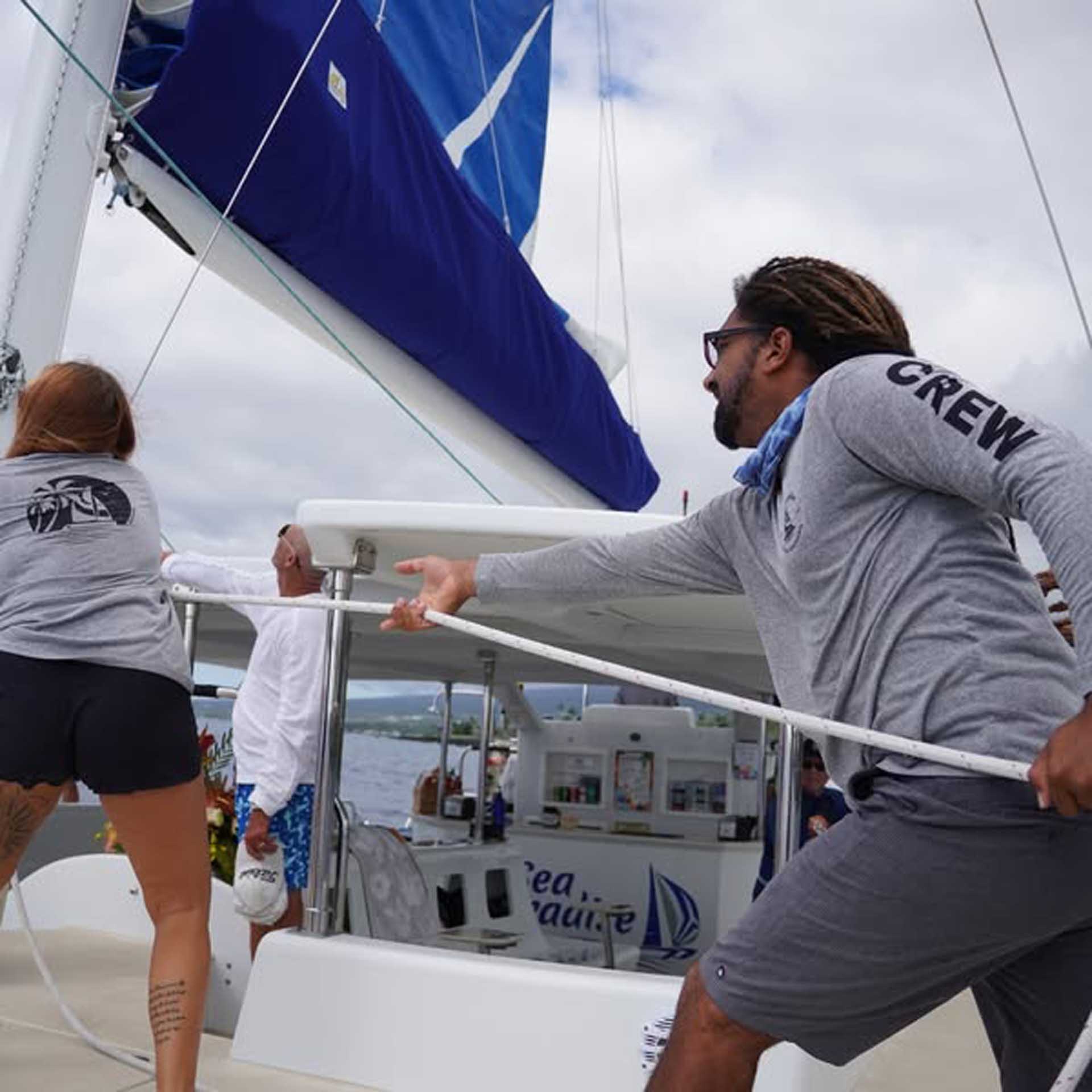
The Hoku Nui departs Keauhou Bay after dark. On the way out to Manta Village, crew fit you with a wetsuit and run an in-water orientation. This isn’t a safety speech you’ll ignore — what they tell you changes what you see. The key is staying calm and horizontal. Manta rays feed by swimming in wide, looping circuits through plankton clouds attracted to the underwater lights. If you’re still and flat, the mantas come to you. Sea Paradise’s custom Manta Flotation Device — designed by founder Rich Kersten — keeps guests horizontal at the surface above the feeding zone. In-water crew guides stay with the group throughout.
What You’ll See
Reef manta rays in Kona are Mobula alfredi — filter feeders with no stinger, no threat. They have been coming to Manta Village every night for over 50 years through Classical Conditioning. Lights attract plankton. Plankton attracts mantas. Sea Paradise’s 85–95% sighting rate holds year-round. On a good night, multiple rays feed simultaneously in overlapping circuits, banking and occasionally barrel-rolling directly underneath the float. Some guests report seeing the same rays on return visits. Sea Paradise crew recognize many of them individually — Lefty, first identified in 1979, has been making these feeding runs for over 45 years. https://seaparadise.com/manta-rays-in-kona-hawaii/konas-most-famous-manta-rays-individual-resident-profiles/
What to Bring and What to Expect
Wetsuit, mask, snorkel, fins, flotation noodle, and manta custom Manta Flotation Device are all included. Bring a light layer for after you’re out of the water. Hot cocoa and chocolates are provided aboard the Hoku Nui after the snorkel. Minimum age to snorkel is 6 years. Guests 4 and up can ride along on the vessel. If mantas are not seen on your tour night, Sea Paradise’s guarantee provides a free return within 7 days.
Is swimming with manta rays safe?
Yes. Reef manta rays have no stinger and are not aggressive. They are filter feeders — their mouths filter microscopic plankton from the water. Sea Paradise crew are in the water with guests at all times. The manta rays at Manta Village have been conditioned through decades of nightly interaction to feed without being disturbed by the presence of guests on the float. https://seaparadise.com/manta-village-kona/
Do I need to be a strong swimmer?
Yes. You must be an experienced snorkeler with strong swimming skills.
What if I don’t see any manta rays?
Sea Paradise’s manta sighting guarantee provides a free return within 7 days if mantas are not seen on your tour night. Space is available and reservation required for the return trip. https://seaparadise.com/1st-manta-ray-snorkel-tour