
The humuhumunukunukuapuaʻa is the reef triggerfish, Rhinecanthus rectangulus, and it is Hawaii’s official state fish. Its name is usually translated as “triggerfish with a snout like a pig,” and it really can grunt like one. Snorkelers may see it on the reef at the World Famous Captain Cook Monument at Kealakekua Bay on the Big Island’s Kona Coast.
Sea Paradise Hawaii has been taking snorkelers to this reef from Keauhou Bay since 1985, and the humuhumu is the fish guests ask about most. Here is the story behind the name.
What does humuhumunukunukuapuaʻa mean?
Humuhumunukunukuapuaʻa is commonly translated as “triggerfish with a snout like a pig.” The “pig” part fits two ways: the fish has a blunt, pointed snout, and when it is handled it makes grunting sounds that researchers describe as resembling a pig’s grunt.
Most people in Hawaii simply call it humuhumu. Say it slowly, one sound at a time: hoo-moo-hoo-moo-noo-koo-noo-koo-ah-poo-ah-ah. Our crew is happy to coach you on the sail out.
Fact: you are unlikely to hear the grunt on the reef. Researchers note the sounds are mostly audible when the fish is being held, which is one more reason to look and never touch.
Fact: in English it goes by several names, including reef triggerfish, rectangular triggerfish and wedgetail triggerfish.
How did the humuhumu become Hawaii’s state fish?
The humuhumu was first named Hawaii’s official fish in 1985, but under a law that lasted only five years. That law expired in 1990, and for the next 16 years Hawaii had no official state fish. In 2006, the Legislature passed House Bill 1982, which became law on May 2, 2006, making the humuhumu the state fish permanently. It has now held the title without a break for 20 years.
Fact: the humuhumu is far from rare. The reef triggerfish lives on coral reefs across the Indian Ocean and the western and central Pacific, at depths down to about 160 feet (50 m). Hawaii simply made it famous.
What makes the reef triggerfish so unusual?
The reef triggerfish has a built-in locking system. A small second spine on its back locks the first dorsal spine upright, like a trigger. When the fish wedges itself into a crevice, that locked spine makes it very hard for a predator to pull it out. That is how the triggerfish family got its name.
Fact: it is a small fish, growing to about 12 inches (30 cm). It eats mostly algae scraped off rocks, along with small crustaceans picked from the sandy bottom.
Fact: it is a noisy fish. Besides grunting, it makes grinding sounds while it eats, which scientists think may help mark its territory, and snapping sounds when two triggerfish quarrel.
Fact: it is a flexible eater, what biologists call a facultative omnivore. It can live on either plant or animal food, depending on what the reef offers.
Fact: dominant males hold territories and have access to several females, a system biologists call haremic mating.
Where may you see humuhumu at the World Famous Captain Cook Monument at Kealakekua Bay?
Humuhumu are reef fish, so look low. At the World Famous Captain Cook Monument at Kealakekua Bay, snorkelers may see them close to the bottom, darting between rocks and coral, often near a crevice they can dive into. They tend to keep to themselves, so give them space and do not chase or touch them.
Here is a tip from our crew. If a humuhumu suddenly vanishes into the rock as you swim over, it has done exactly what its locking spine was made for. Hover quietly at the surface and it may come back out. Visibility at the bay often reaches 60 to 80 feet, which makes it far easier to pick out fish from the surface.
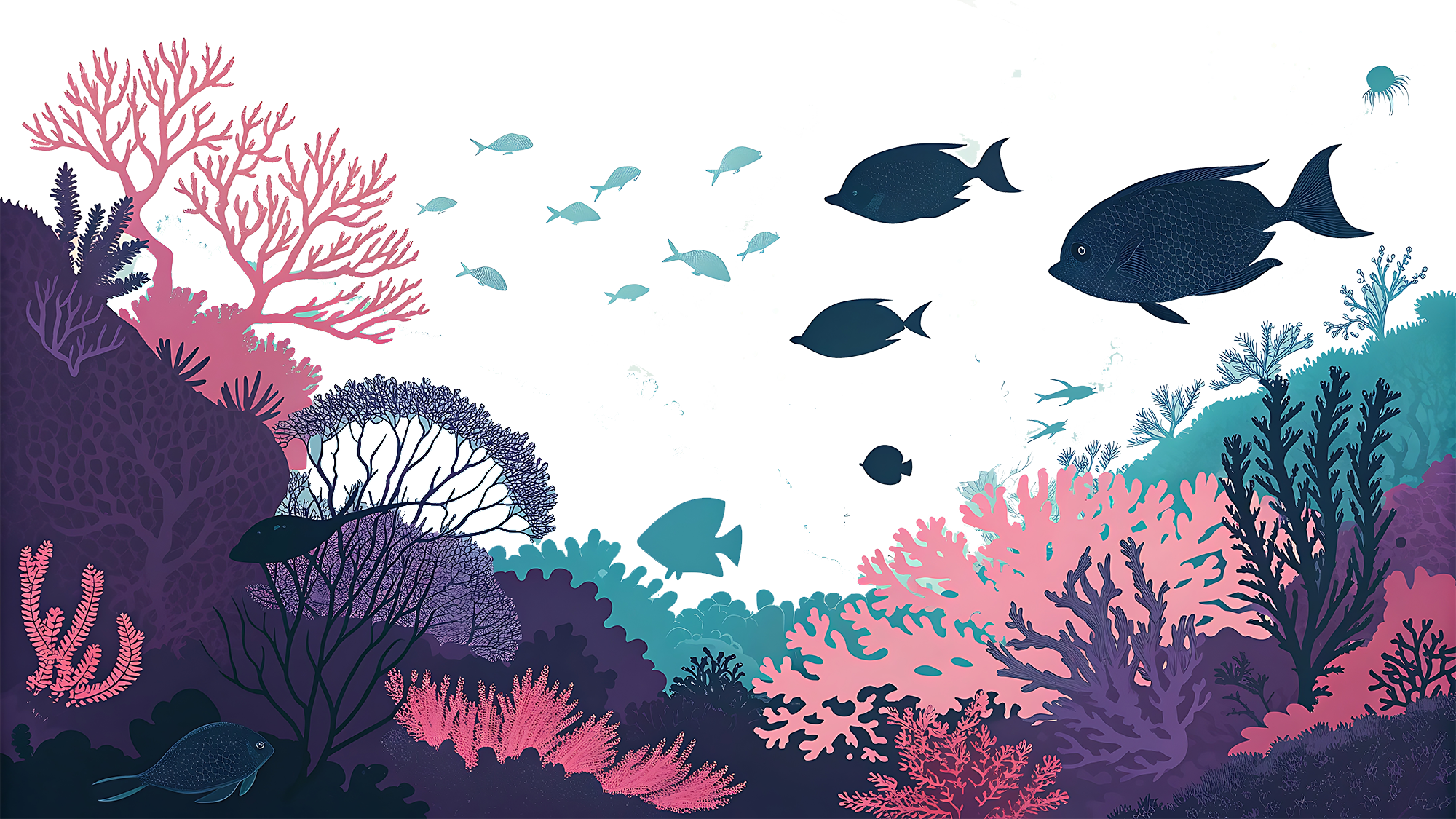
The monument’s reef sits inside Kealakekua Bay, a 315-acre Marine Life Conservation District protected by the State of Hawaii since 1969. Alongside the humuhumunukunukuapuaʻa, snorkelers may see yellow tang, Moorish idols, parrotfish, butterflyfish and moray eels.
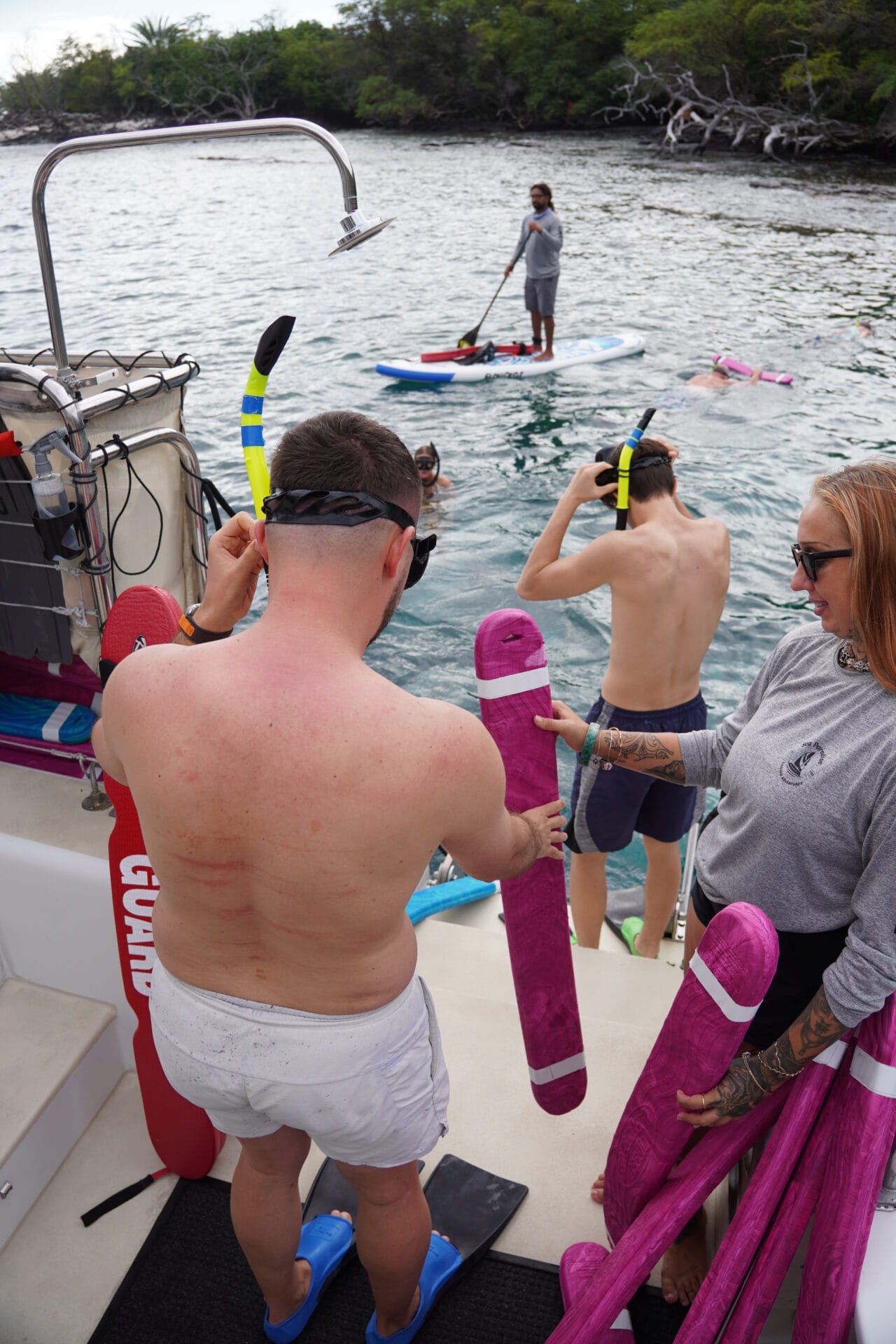
Sea Paradise’s [[Afternoon Snorkel Tour|https://seaparadise.com/afternoon-snorkel-tour/] departs Keauhou Bay at 2:00 PM aboard the Hoku Nui, our 50-foot luxury sailing catamaran. In about three hours, you get a marine naturalist reef briefing, all snorkel gear, light snacks and time on the reef. Ask our naturalist to point out a humuhumu before you get in.
For directions, protections and planning tips, read our Kealakekua Bay guide.
Frequently Asked Questions
What does humuhumunukunukuapuaʻa mean?
It is usually translated as “triggerfish with a snout like a pig.” The reef triggerfish has a blunt snout and makes grunting sounds when handled. Most people in Hawaii shorten the name to humuhumu.
Is the humuhumunukunukuapuaʻa Hawaii’s state fish?
Yes. It was first named the state fish in 1985 under a five-year law that expired in 1990. It was made the permanent state fish when House Bill 1982 became law on May 2, 2006.
Where can I see a humuhumunukunukuapuaʻa on the Big Island?
Snorkelers may see humuhumu on the reef at the World Famous Captain Cook Monument at Kealakekua Bay, inside a protected Marine Life Conservation District. Sea Paradise’s Afternoon Snorkel Tour sails there from Keauhou Bay at 2:00 PM.